
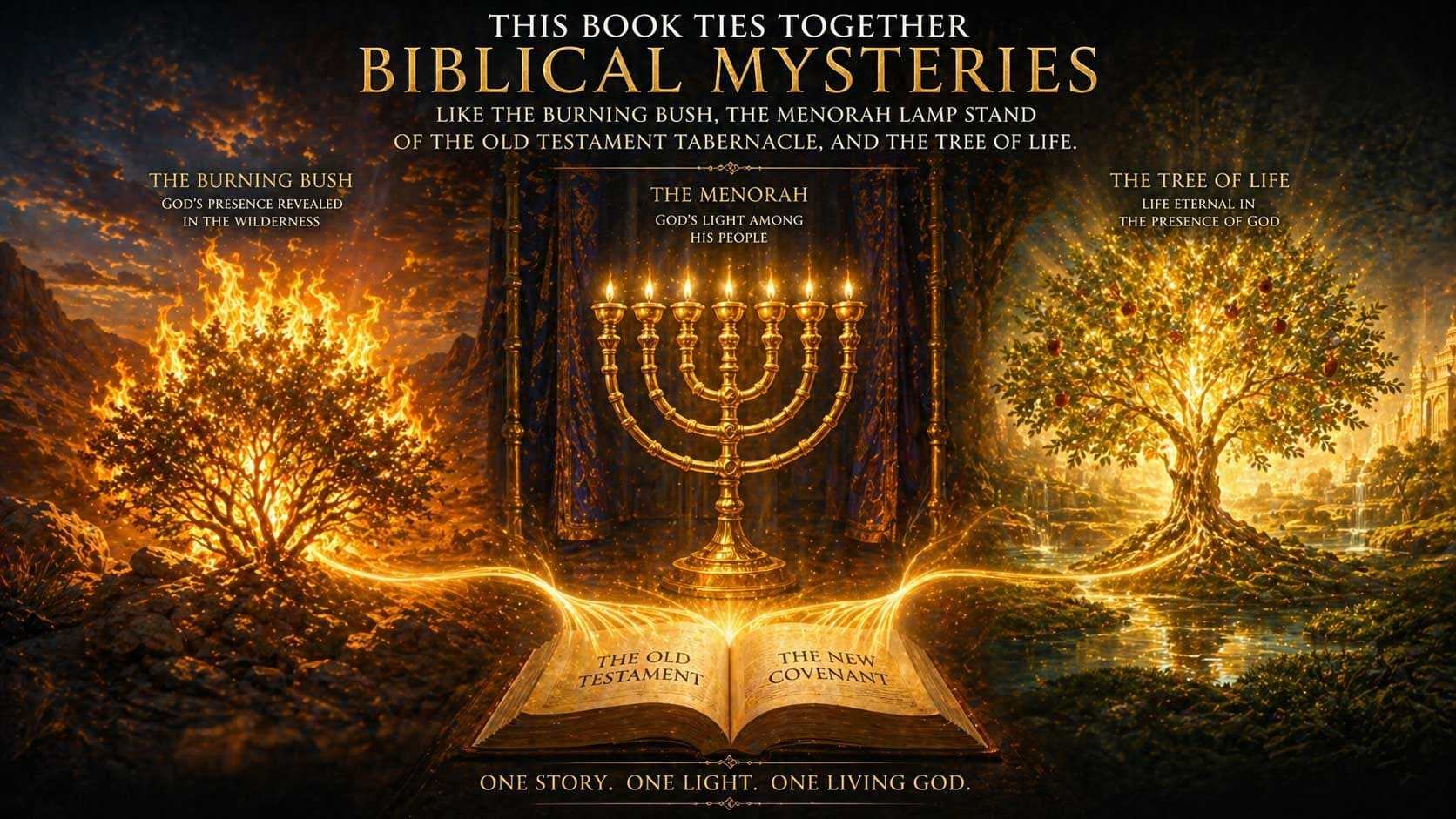
The Tree of Life and the Holy Spirit
The burning bush, the seven-branched menorah and the Tree of Life are, Yona Tree believes, variations on one theme that begins in the first pages of Genesis and ends in the last chapter of Revelation.
Studies
Study the mysteries woven through Scripture
Each study gathers the passages, history and symbolism behind a theme — and links to the articles, episodes and book chapters that explore it.
All studiesThe Study Library
Careful studies of Scripture's symbols and mysteries. Every article distinguishes what Scripture says, what historical sources say, what other interpreters believe, and what Yona Tree proposes.
The burning bush, the seven-branched menorah and the Tree of Life are, Yona Tree believes, variations on one theme that begins in the first pages of Genesis and ends in the last chapter of Revelation.
14 articles
Why did the Spirit of God descend as a dove? Eleven simple questions, each answered from Scripture, lead toward one of the central conclusions of Yona Tree's study of the Holy Spirit.
The Nicene Creed is the most widely shared statement of Christian faith. Yona Tree affirms it — and respectfully proposes four clarifications, beginning with the difference between being begotten and being born.
"Jerusalem which is above is free, which is the mother of us all." Paul's allegory of Sarah and Hagar connects the free woman, the heavenly city, and the Spirit who gives believers new birth.
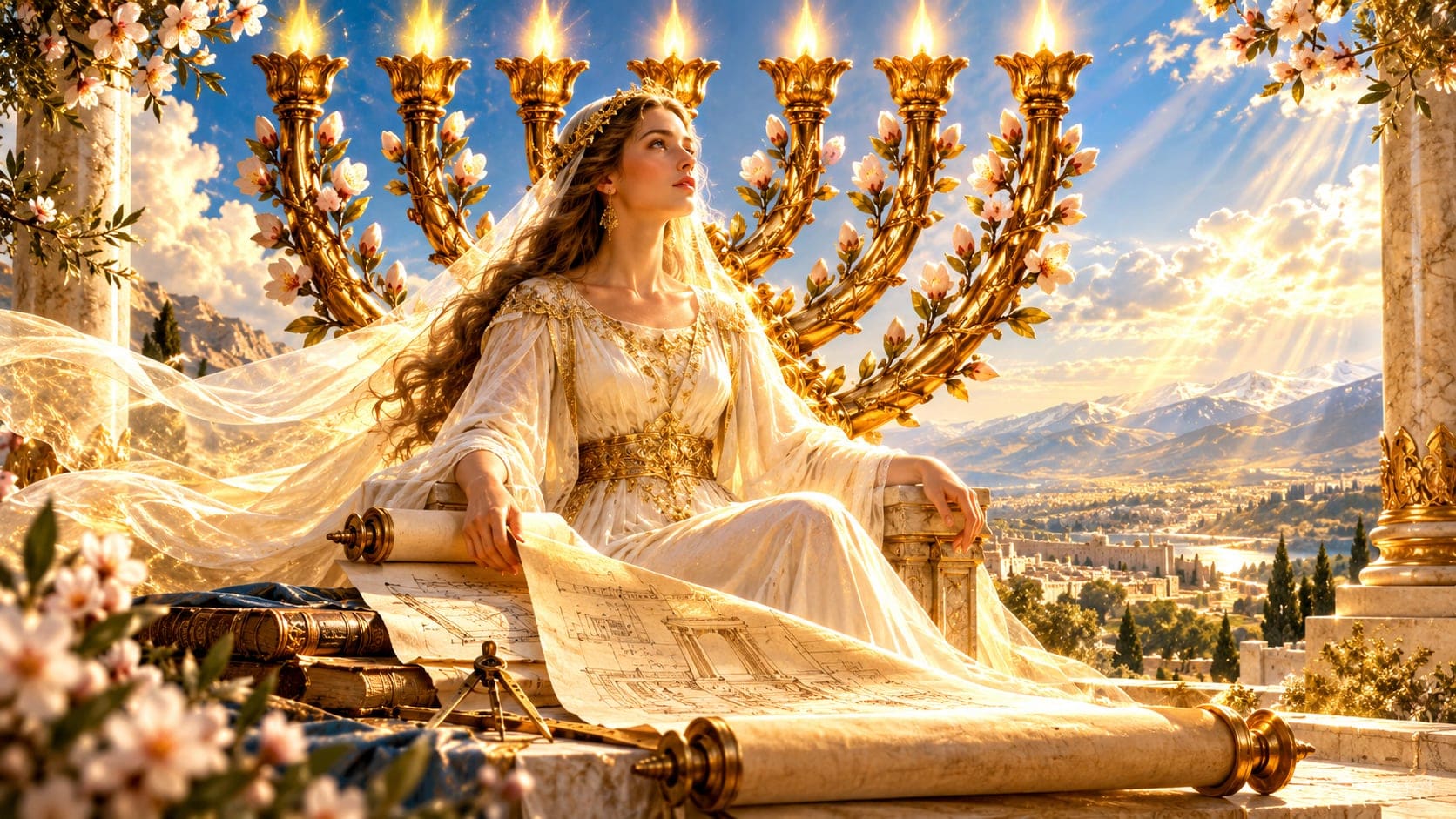
A Woman who calls herself Wisdom claims to have been with God before the mountains were settled, rejoicing before Him as an architect at His side. Who is she? Scripture, history and Yona Tree's conclusion, kept distinct.
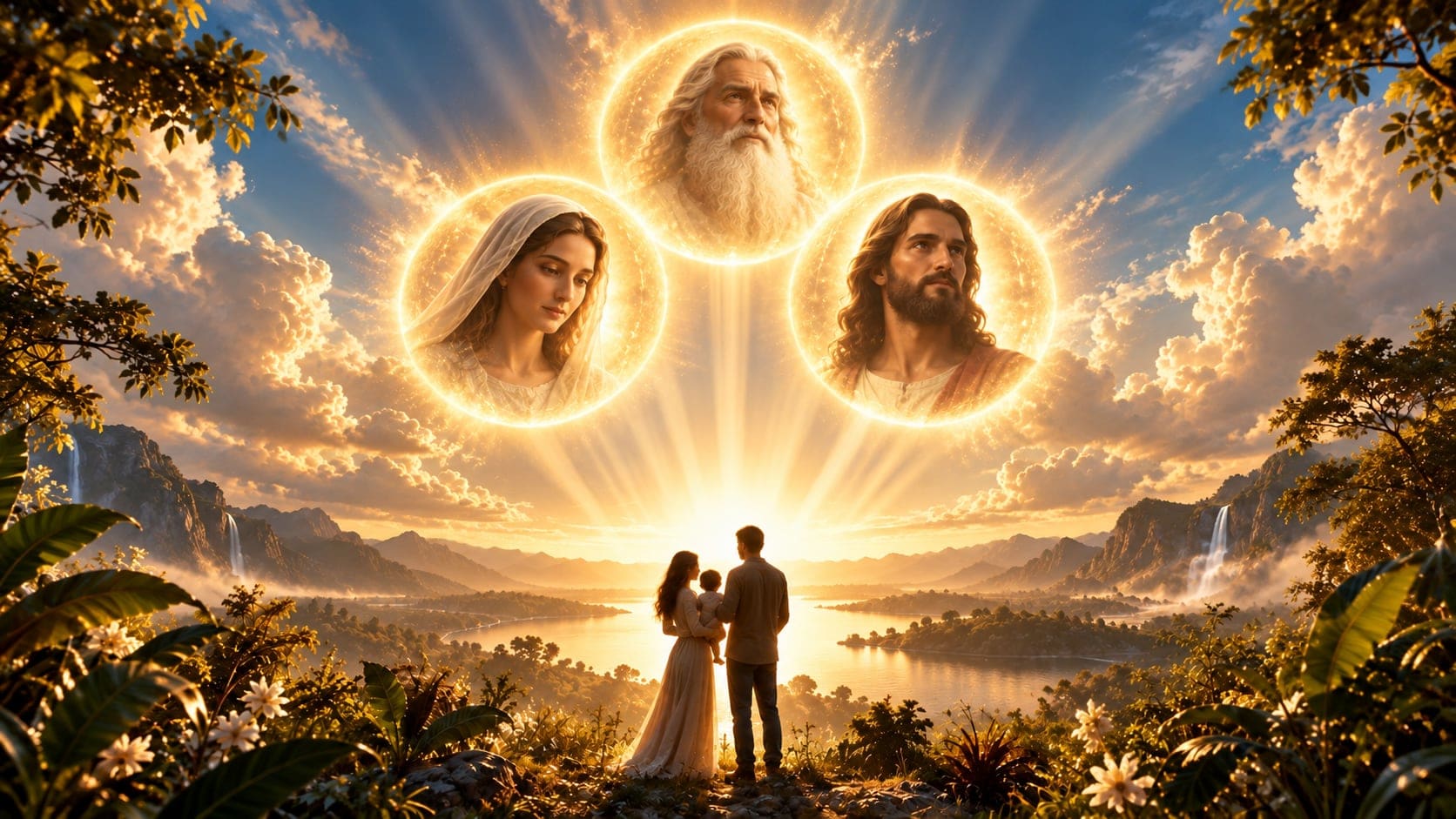
"Let us make man in our image." The first three people made in God's image were a father, a mother and a son. Yona Tree asks what that pattern reveals about the relationships within the Holy Trinity.
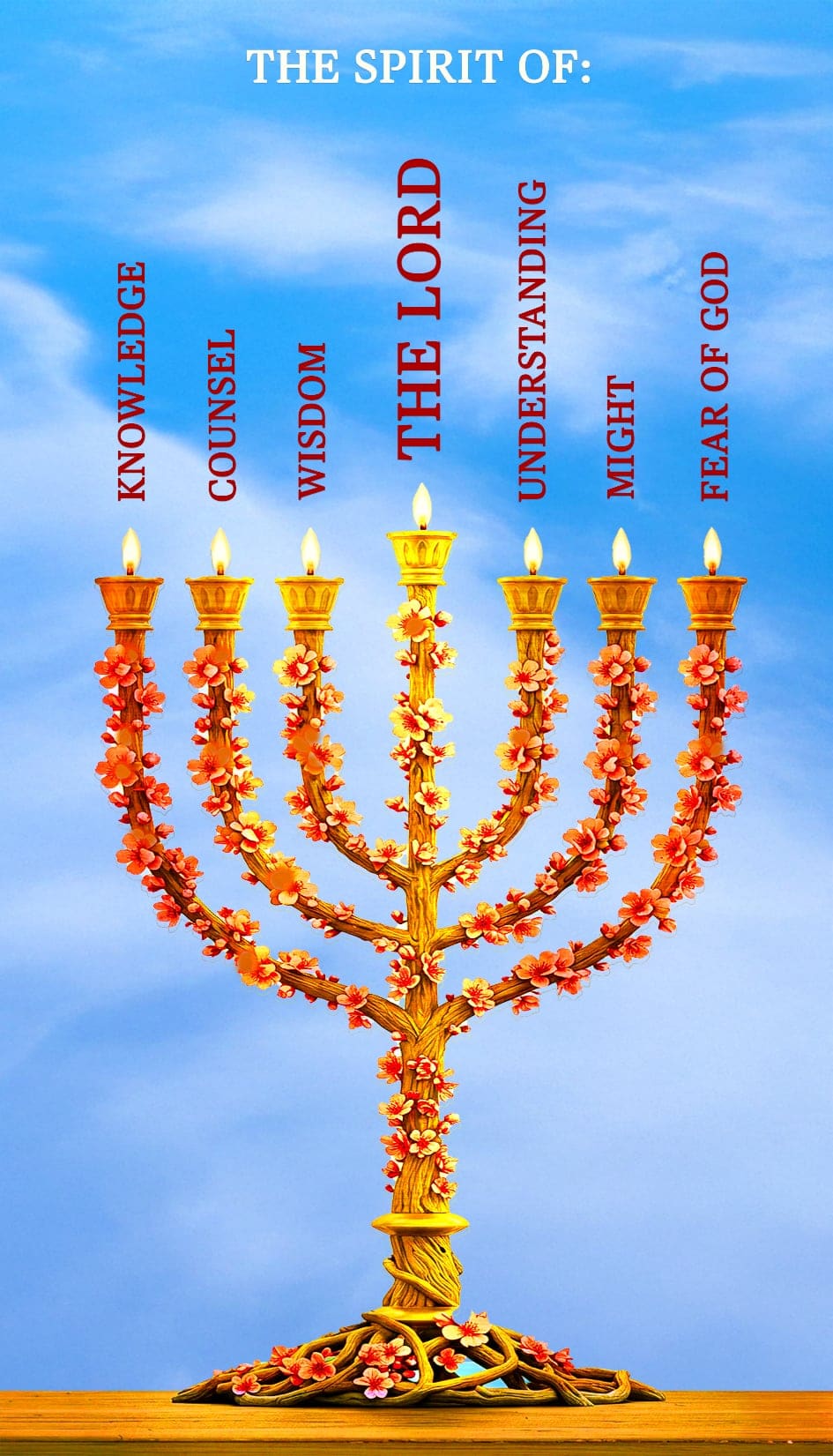
"There were seven lamps of fire burning before the throne, which are the seven Spirits of God." What are the seven Spirits — and why did God command a seven-branched lampstand shaped like a flowering almond tree?
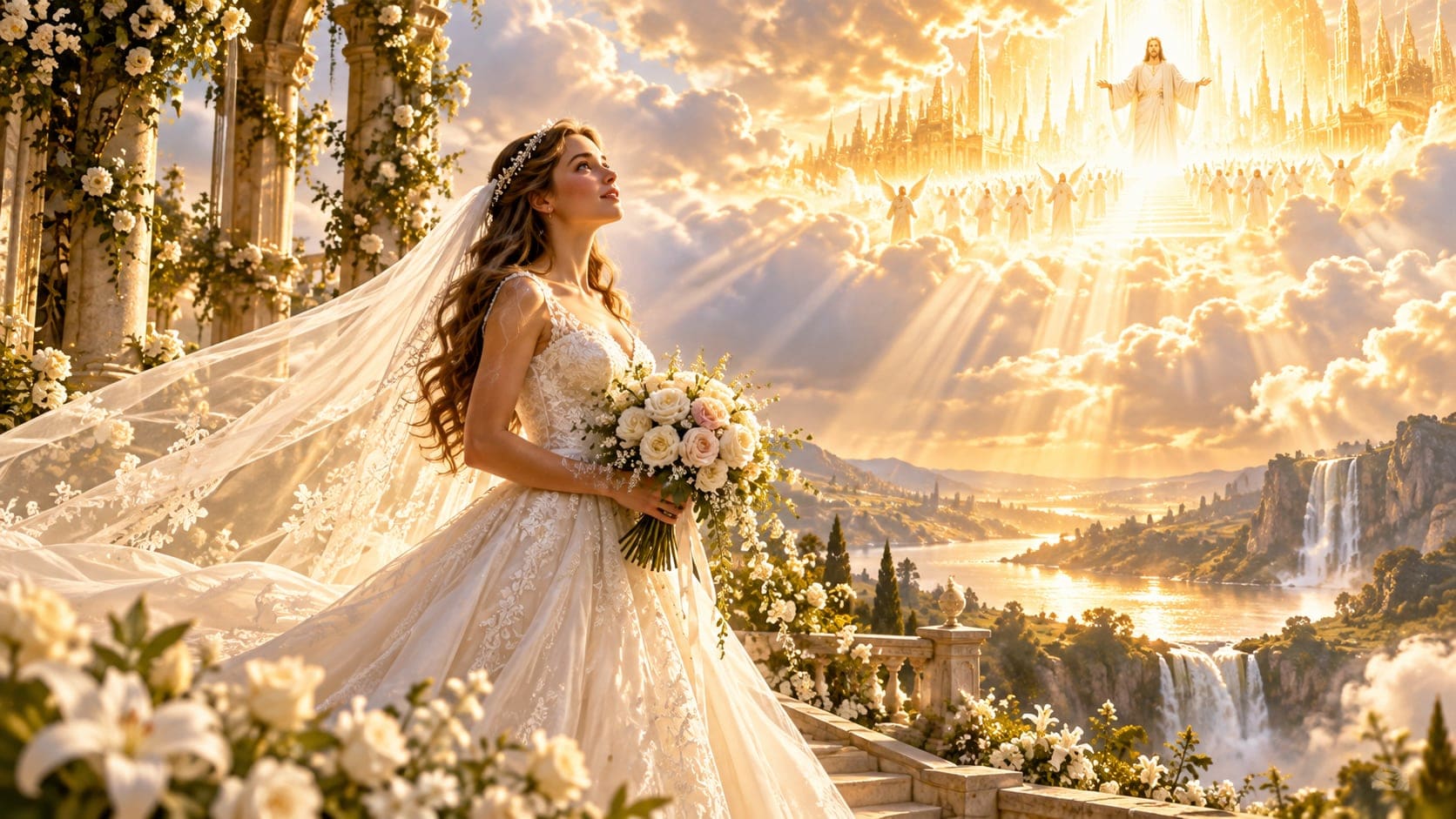
The seven lamps of the Spirit burn before the Father's throne; the seven candlesticks of the Church surround the Son. Yona Tree reads the Bride of Christ as a daughter growing to resemble the Spirit who gave her birth.
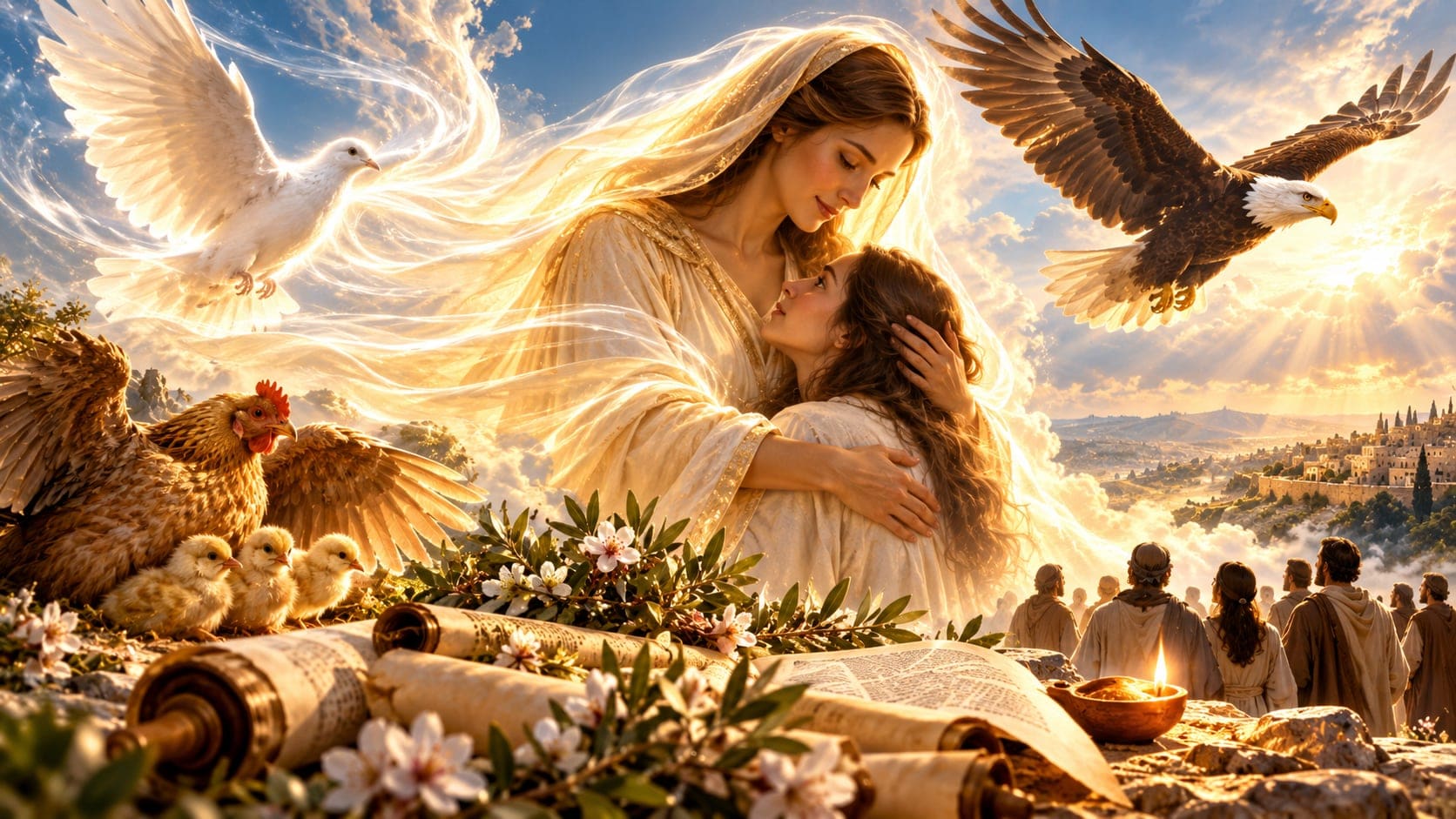
The anointing dove, the sheltering hen, the instructing eagle. Scripture reaches for mothering birds again and again when it describes God's care — and Yona Tree sees in them a portrait of the Holy Spirit.
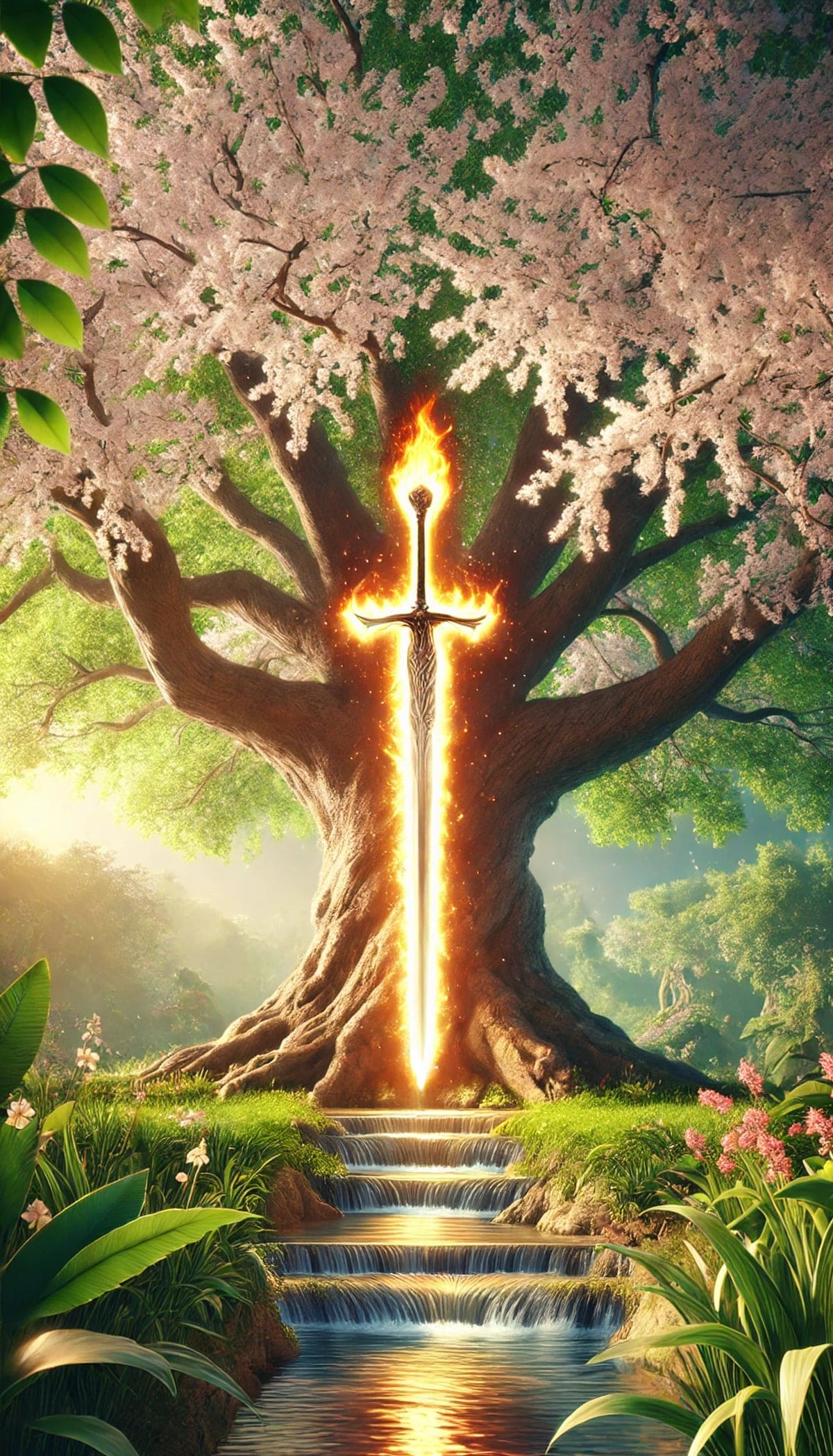
Cherubim and a flaming sword that turned every way kept the way of the Tree of Life. Yona Tree reads that sword as the Sword of the Spirit — the Word of God — and finds in it the heart of the Gospel.
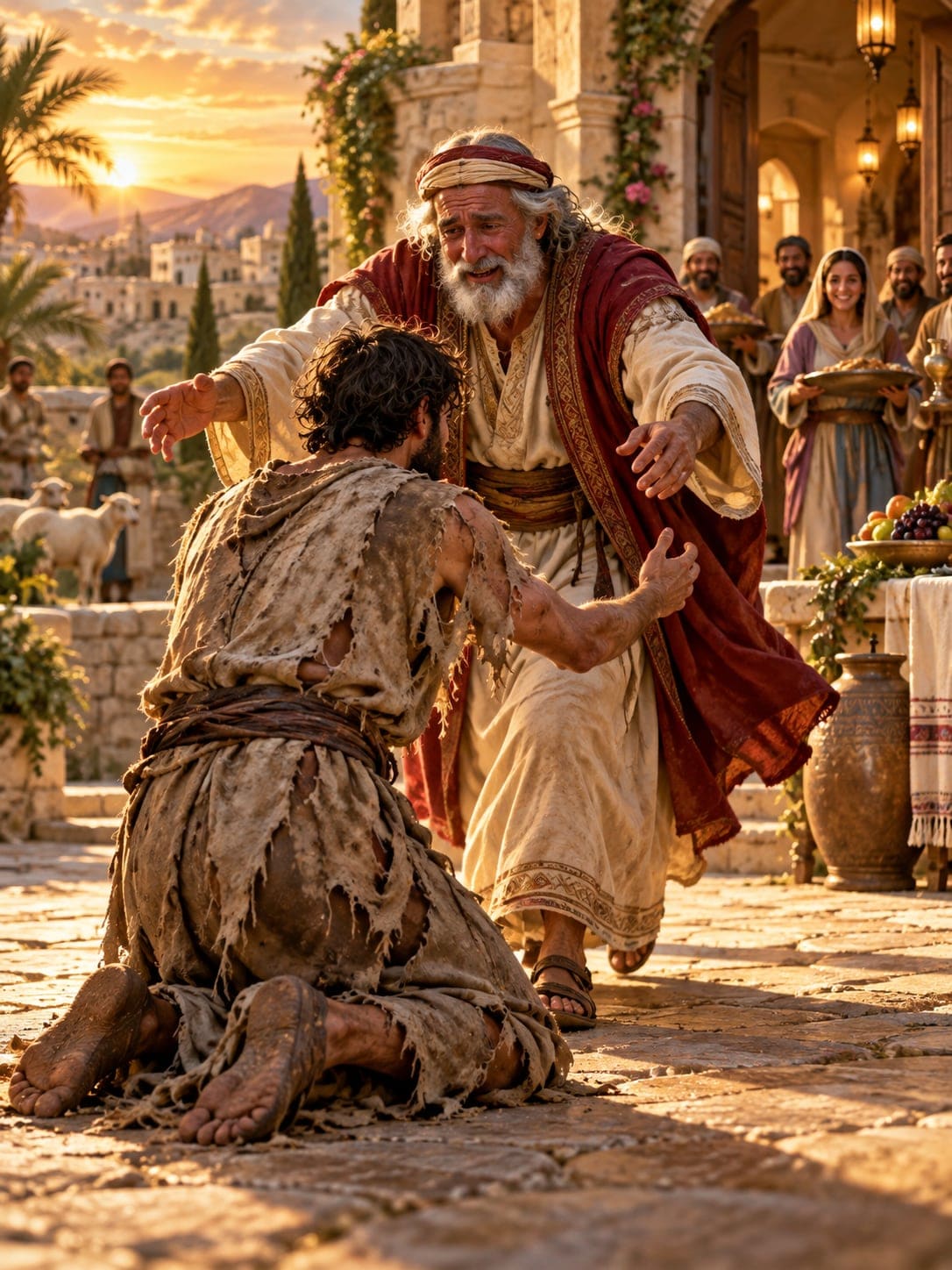
A shepherd, a woman, a father. In Luke 15 Jesus tells three stories of something lost and found. Yona Tree reads them as a portrait of the Son, the Holy Spirit and the Father, each seeking the lost.
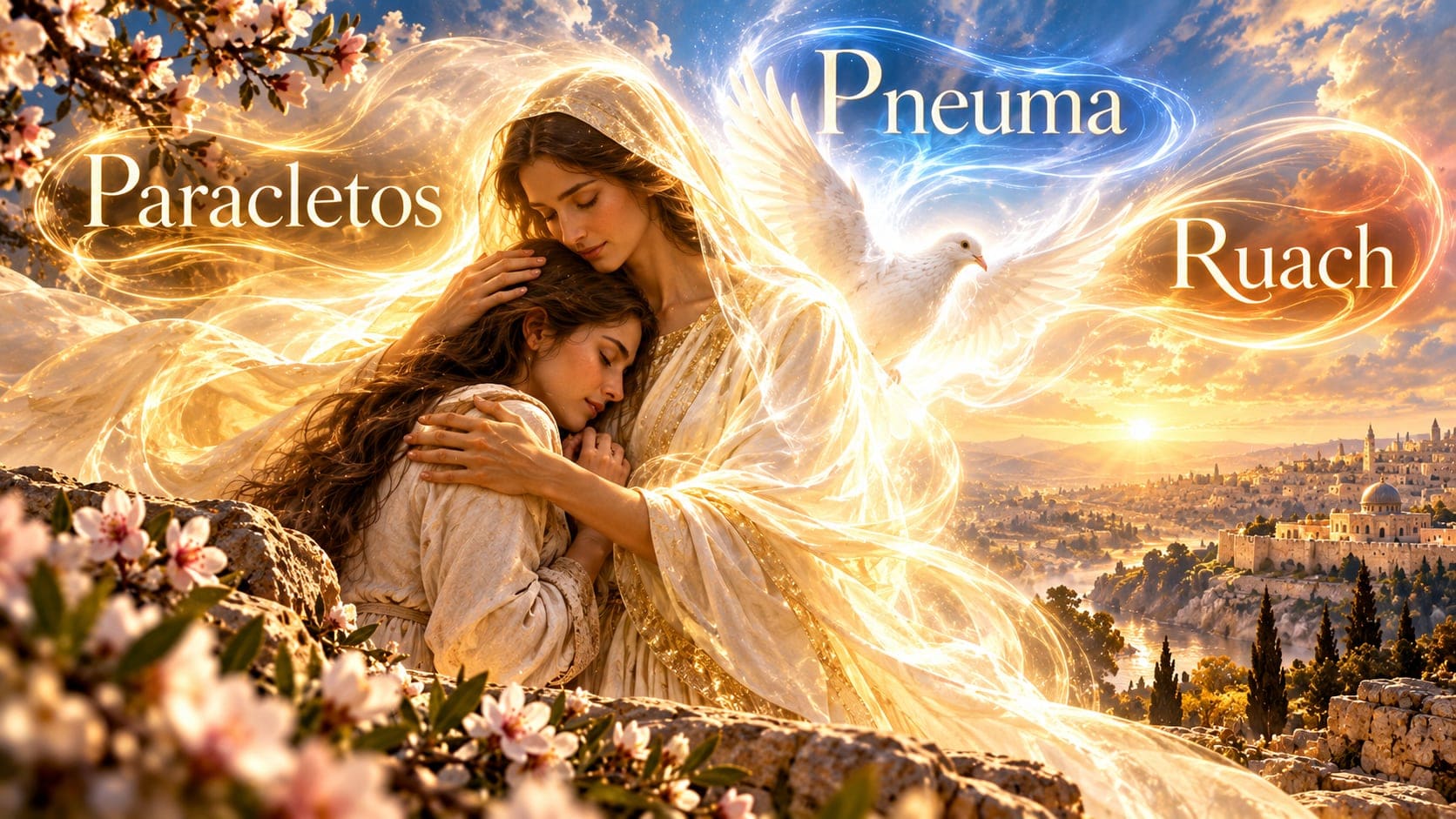
The masculine Greek pronouns usually cited for the Holy Spirit follow one noun, in three chapters of John. A look at paracletos, pneuma and ruach, and the difference between grammatical gender and identity.
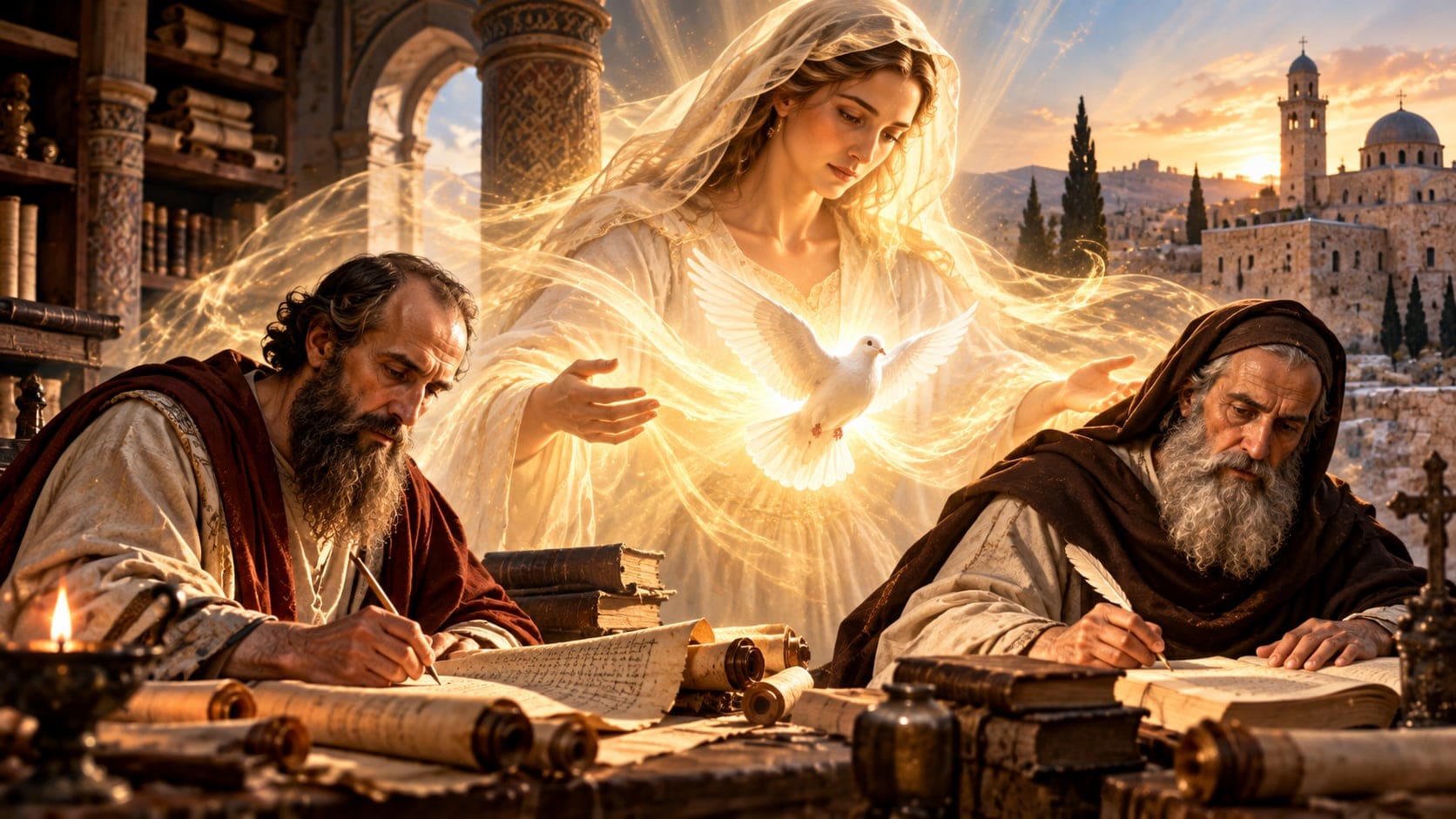
The idea of the Holy Spirit's motherly nature did not begin with Yona Tree. A guide to the early and later Christian writers cited in Seven Lamps Before the Throne, with notes on who they were and how much weight their words can bear.
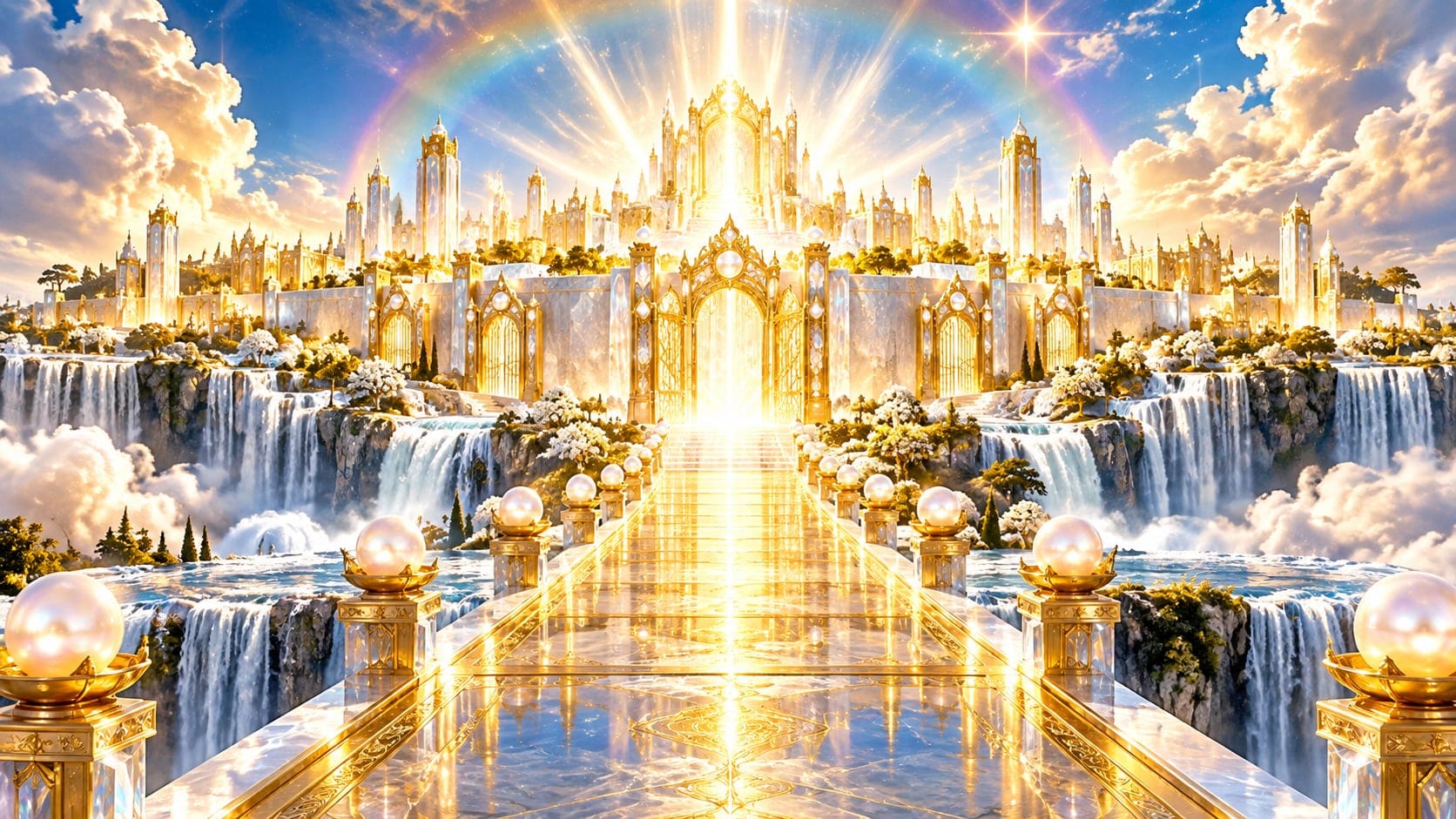
Twelve gates of pearl, twelve foundations of precious stone, a street of gold like glass, and a river flowing from the throne. A careful reading of John's vision of the holy city — with Scripture, interpretation and speculation kept apart.
Study Hubs
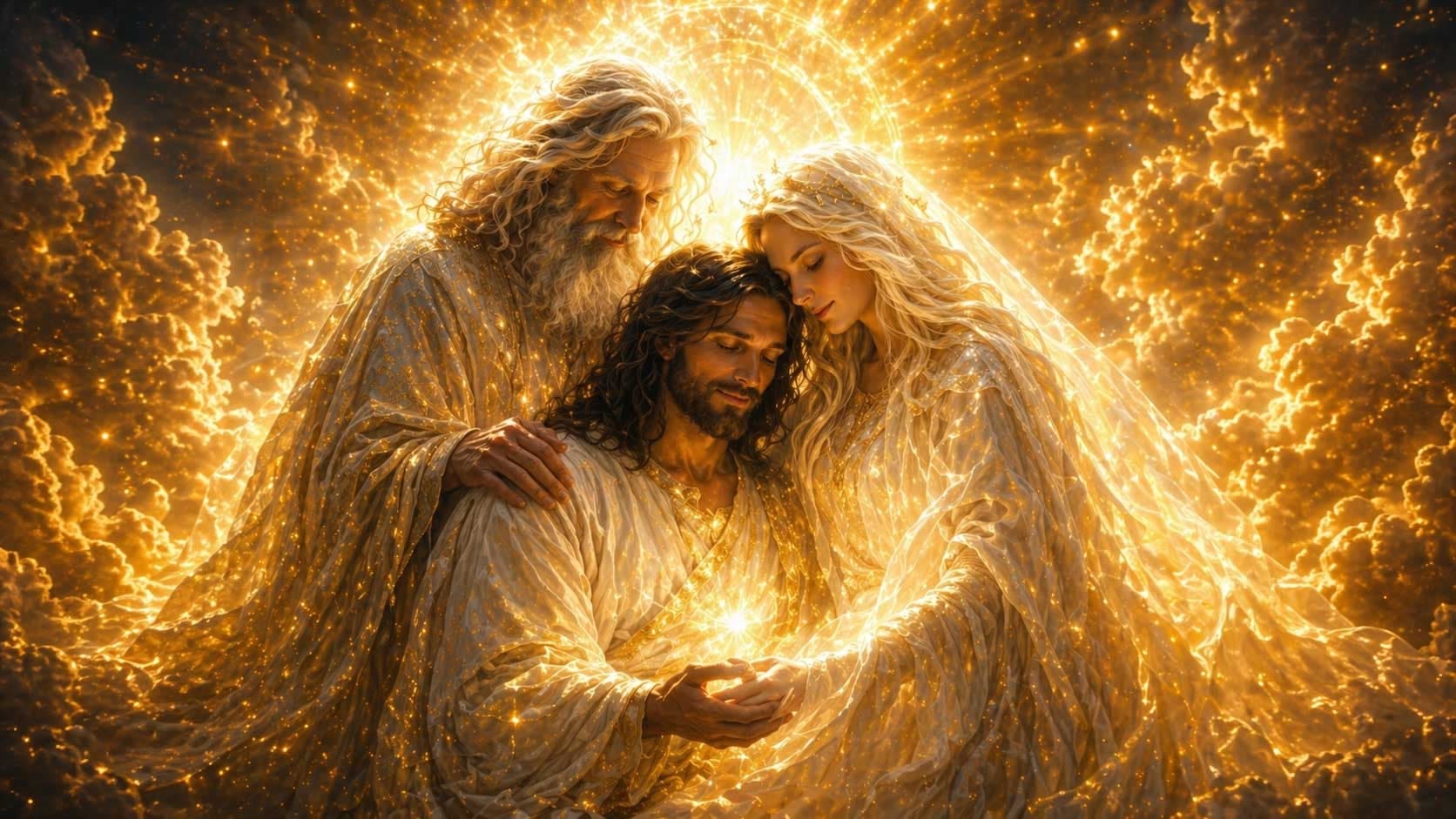
Cornerstone Study
One God made manifest through three distinct Persons — equal in Godhood, distinct in office
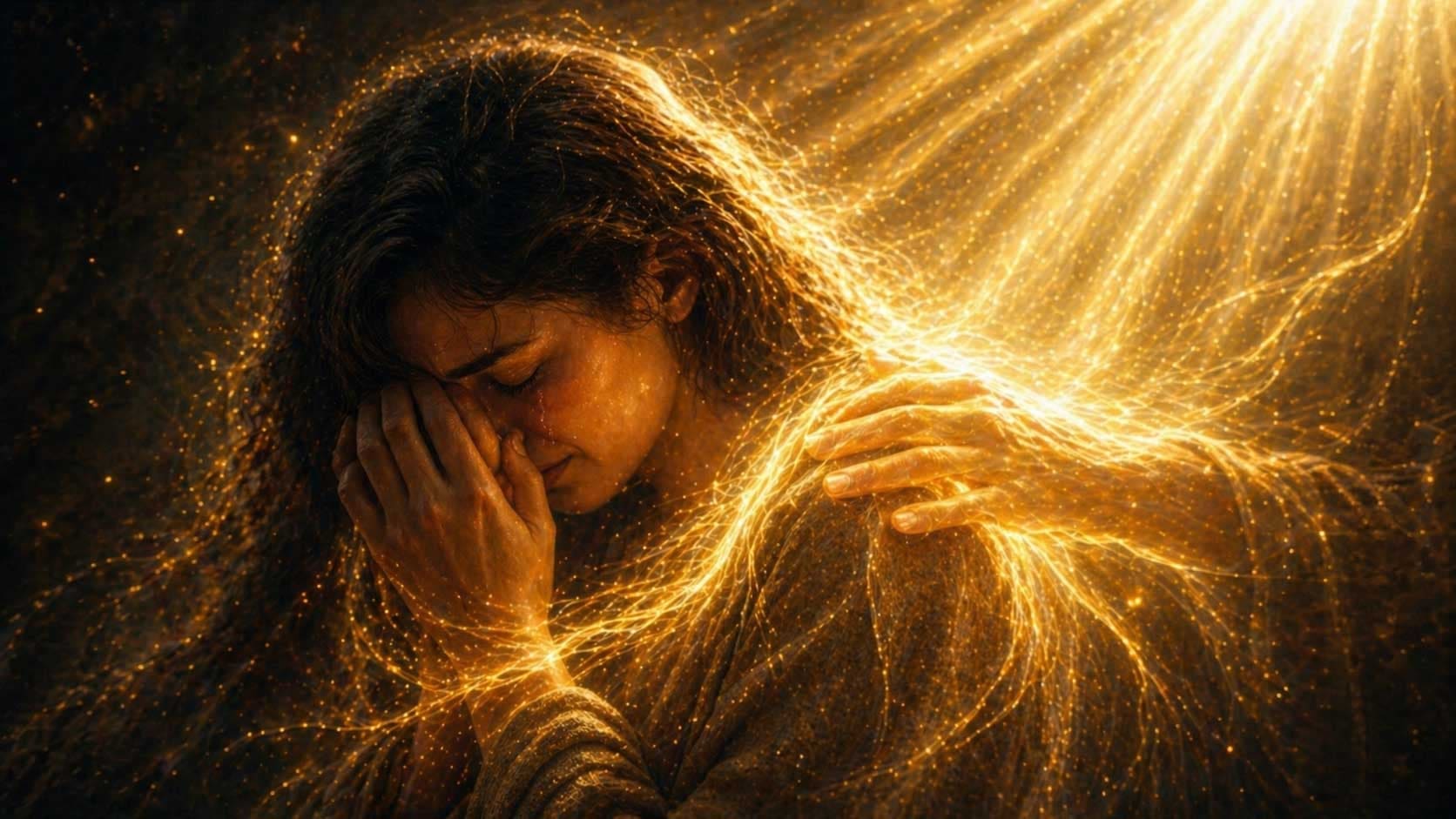
Featured Study
The Breath of God, the Comforter, and the least understood Person of the Trinity
Featured Study
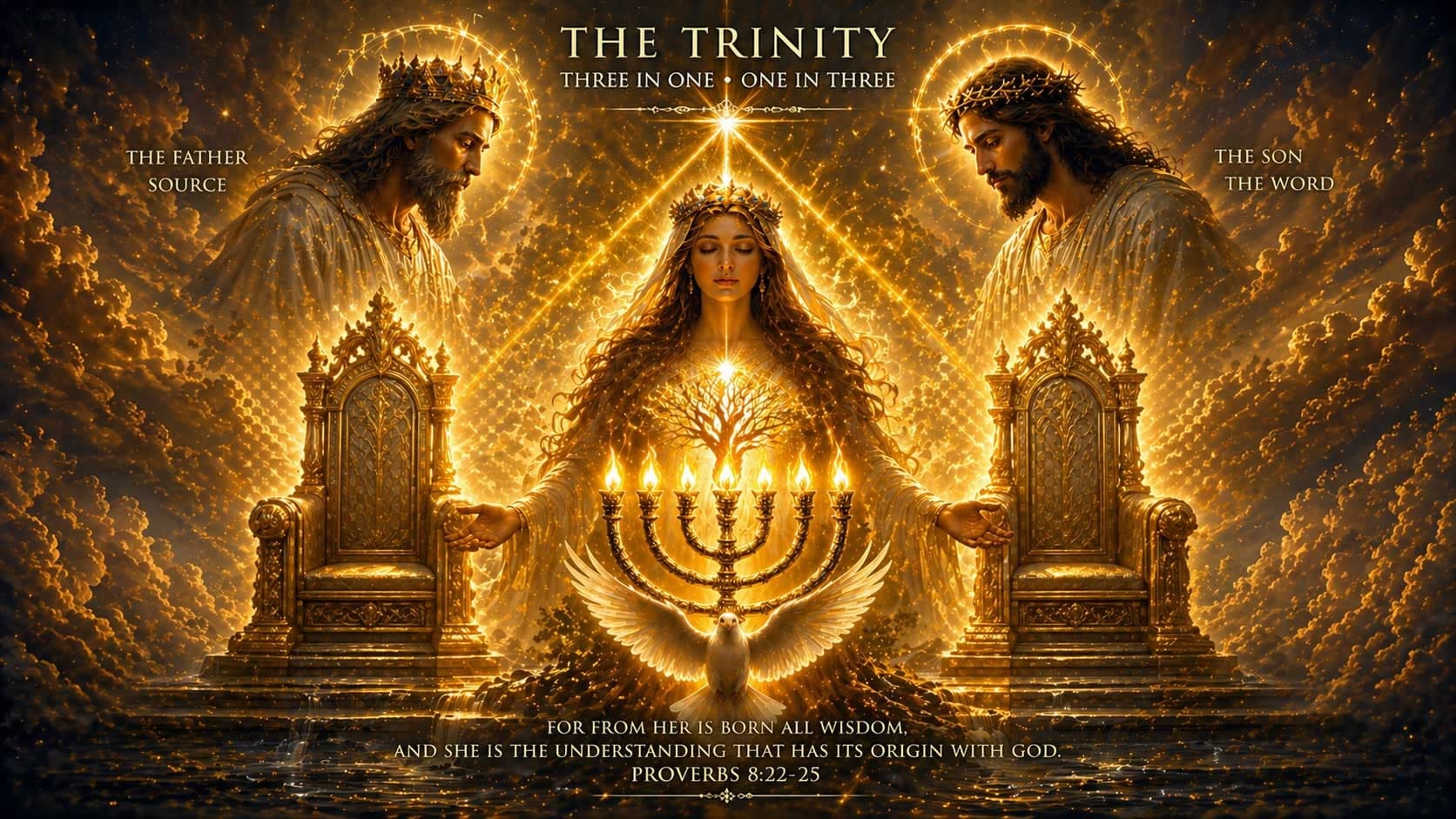
The Woman who calls herself Wisdom and Understanding — Proverbs 1, 3, 8 and 9
Featured Study
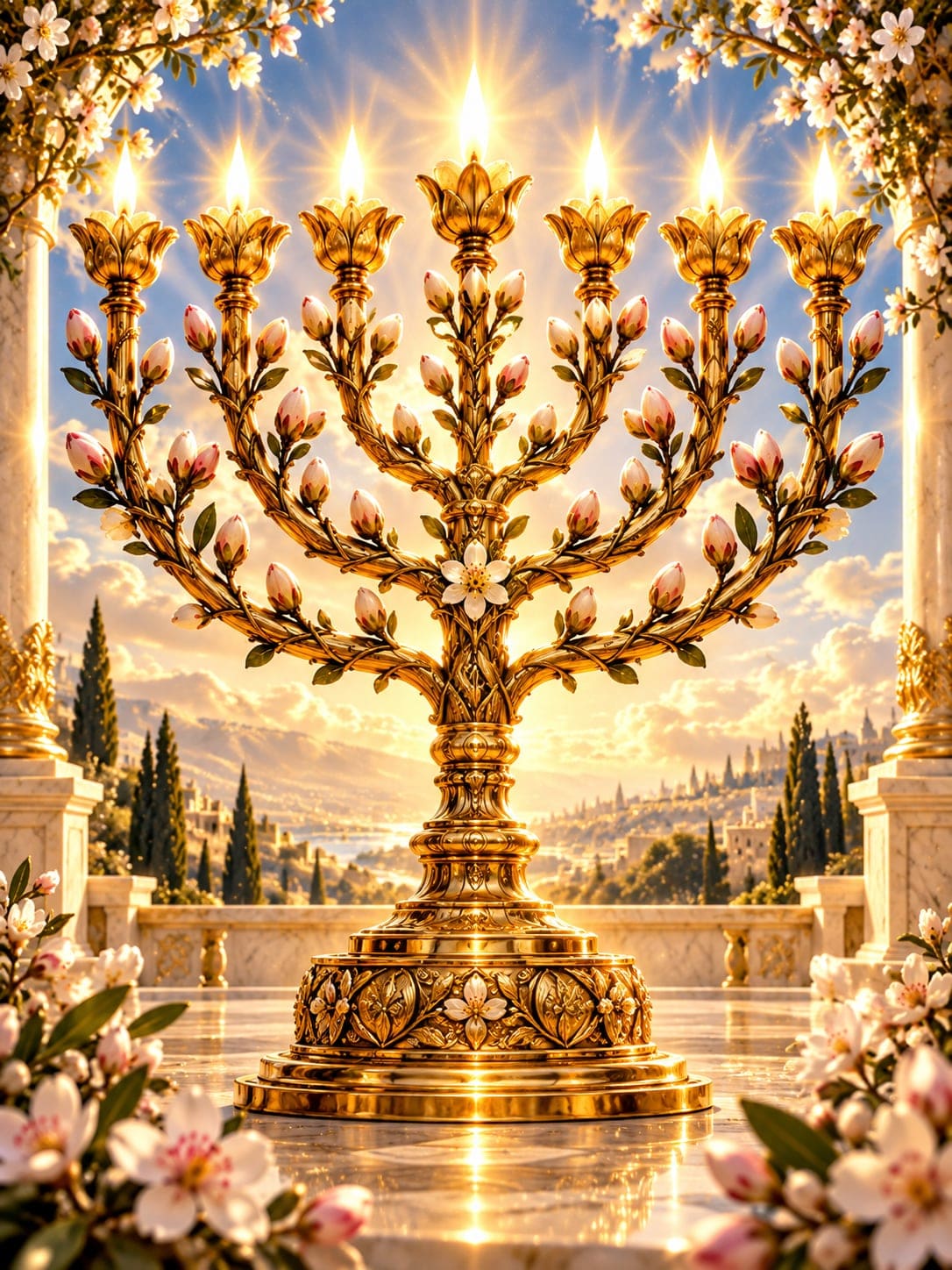
Revelation 4:5, Isaiah 11, the menorah and the sevenfold Spirit of God
Browse