Jerusalem Above: The Mother of Us All
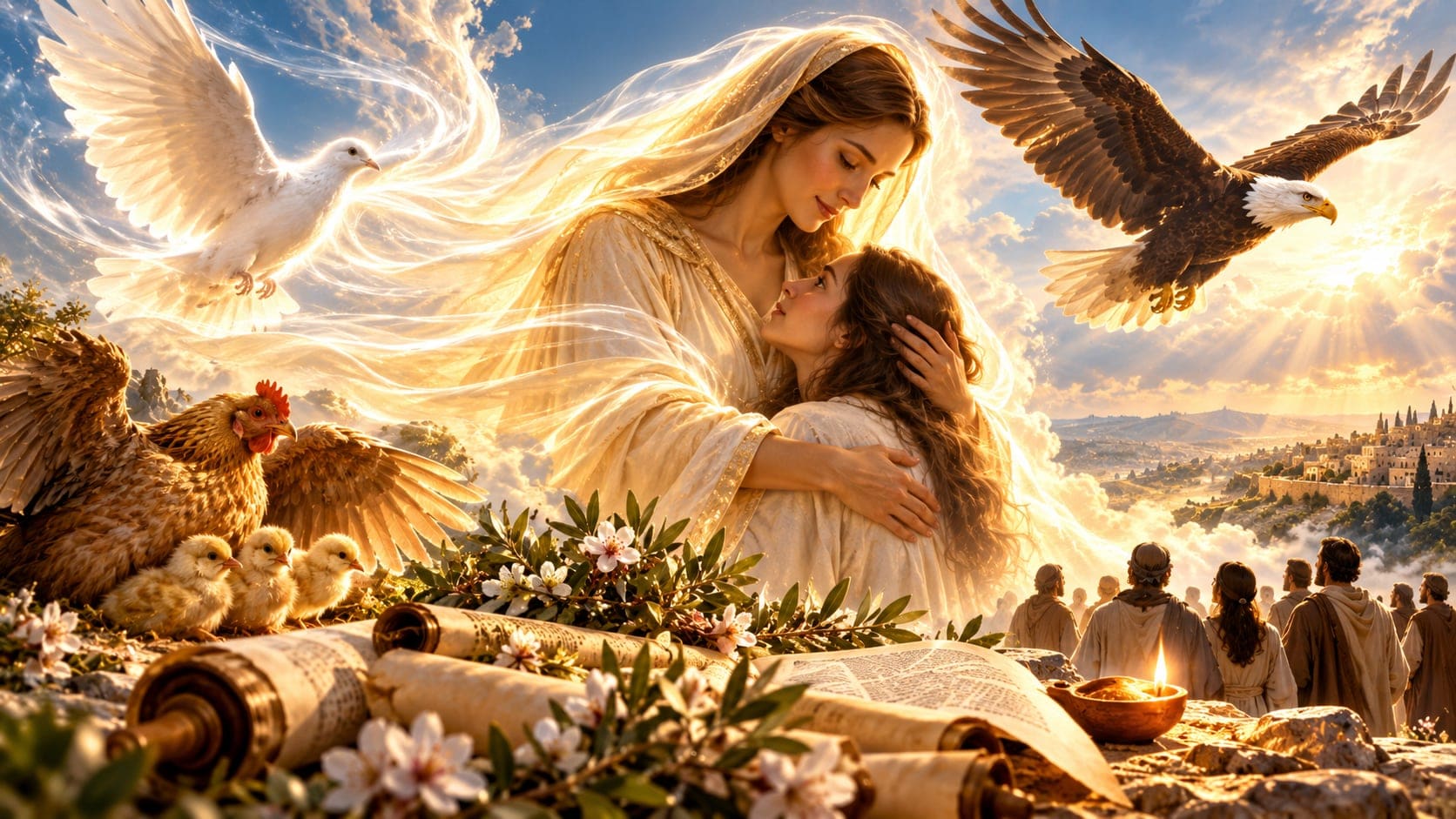
Sarah and Hagar — two covenants, two cities, two mountains and two mothers
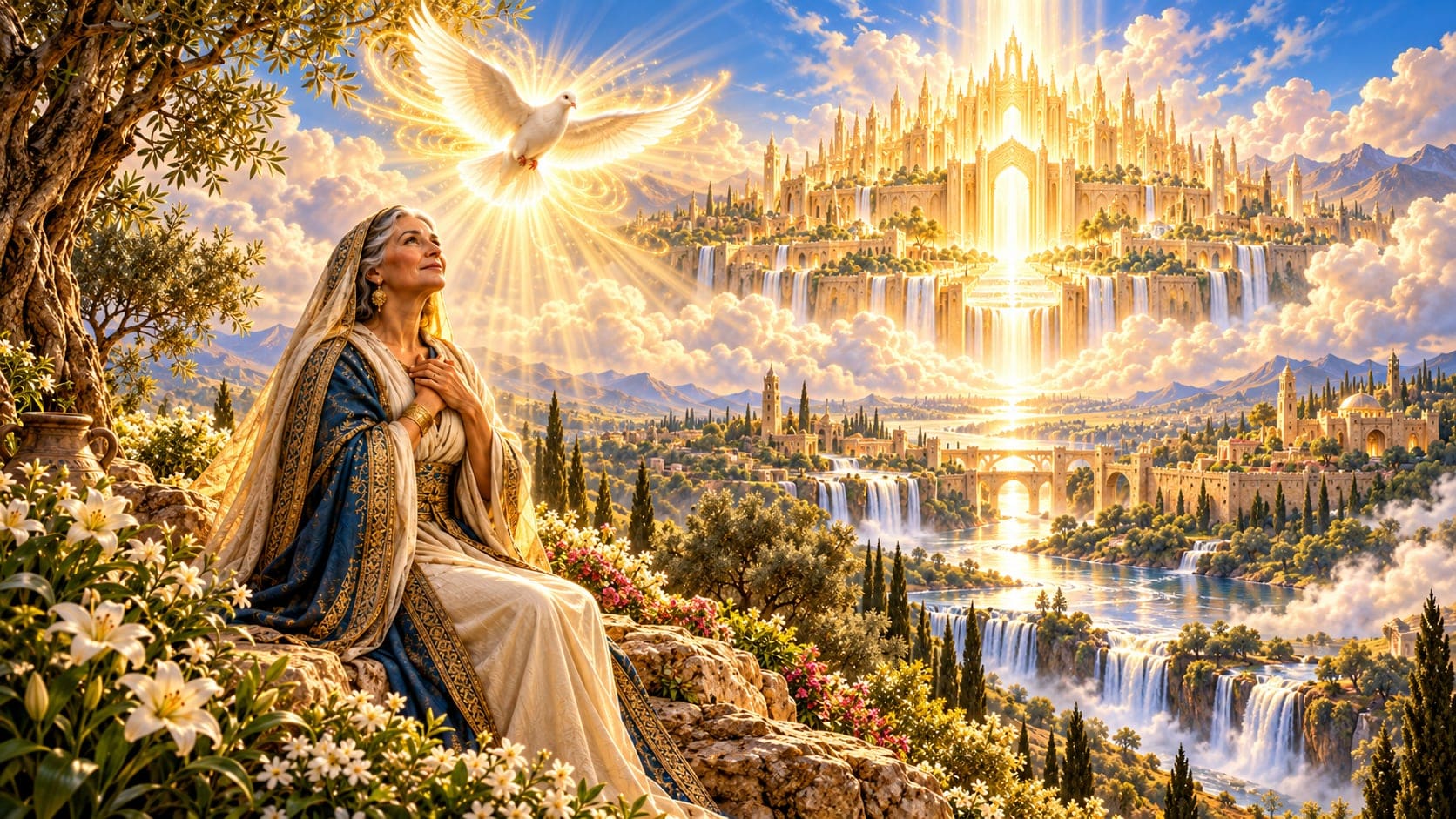
In Galatians 4, Paul tells the story of two mothers in Abraham’s house and declares that it means more than history:
Which things are an allegory: for these are the two covenants; the one from the mount Sinai, which gendereth to bondage, which is Agar… and answereth to Jerusalem which now is, and is in bondage with her children. But Jerusalem which is above is free, which is the mother of us all.
Two mothers
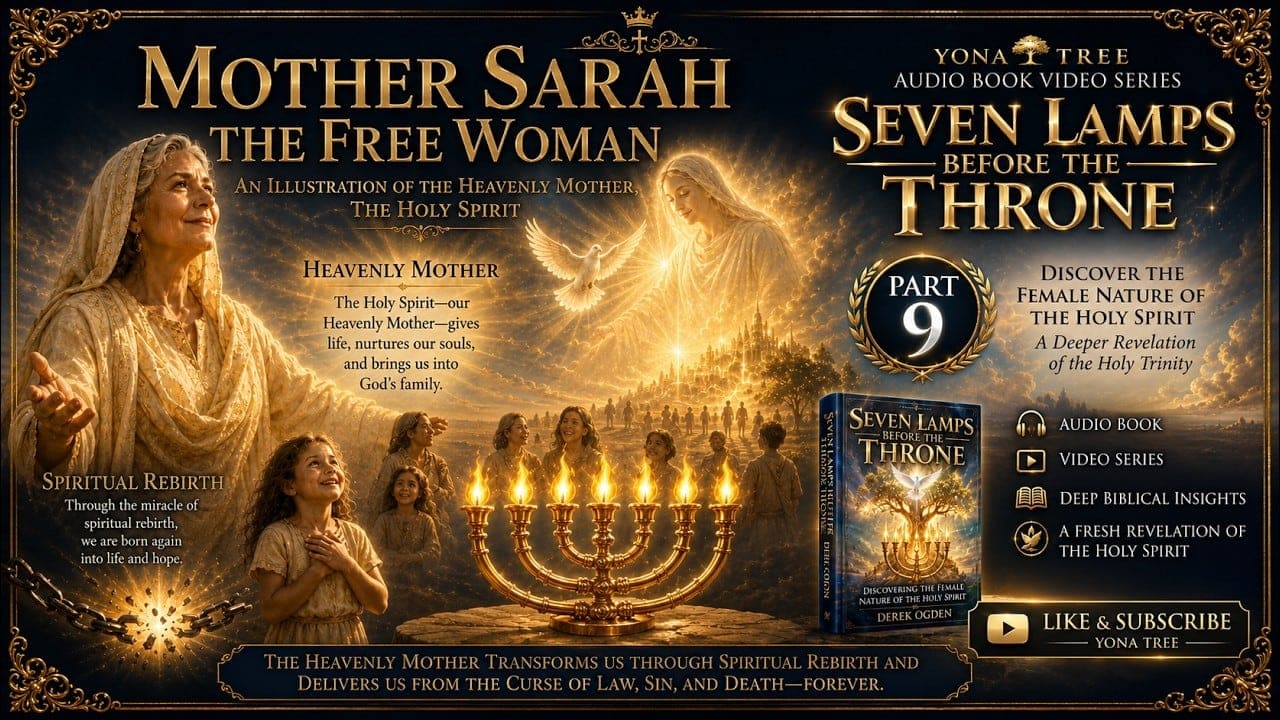
Hagar was a bondwoman, a servant in Abraham’s house. Sarah was a free woman, Abraham’s wife, and the mother of the child of promise, Isaac. Paul builds his allegory on the difference between them.
Hagar
- The old covenant
- Mount Sinai
- The earthly Jerusalem
- The bondwoman
- Born after the flesh
Sarah
- The new covenant
- Mount Zion
- The Jerusalem which is above
- The free woman
- Born after the Spirit
Now we, brethren, as Isaac was, are the children of promise. But as then he that was born after the flesh persecuted him that was born after the Spirit, even so it is now… So then, brethren, we are not children of the bondwoman, but of the free.
Children of promise
The Holy Spirit is called “that holy Spirit of promise” (Ephesians 1:13), and those born of the Spirit are “the children of the promise” (Romans 9:8). Isaac was a child of promise born to a woman who could not have children by natural means. Believers, Paul says, are children of promise in the same way: born not merely according to the flesh but by the power of God.
Two mountains
The letter to the Hebrews describes the same contrast in terms of two mountains:
For ye are not come unto the mount that might be touched, and that burned with fire… But ye are come unto mount Sion, and unto the city of the living God, the heavenly Jerusalem, and to an innumerable company of angels, to the general assembly and church of the firstborn, which are written in heaven.
It was in Jerusalem, at Pentecost, that the promised Spirit was poured out “as of a rushing mighty wind” (Acts 2:2). No one needs to travel to the physical Mount Zion to receive that gift. We may come to the Father in Jesus’ name and ask for the Holy Spirit to dwell in us.
An elder and a younger Jerusalem
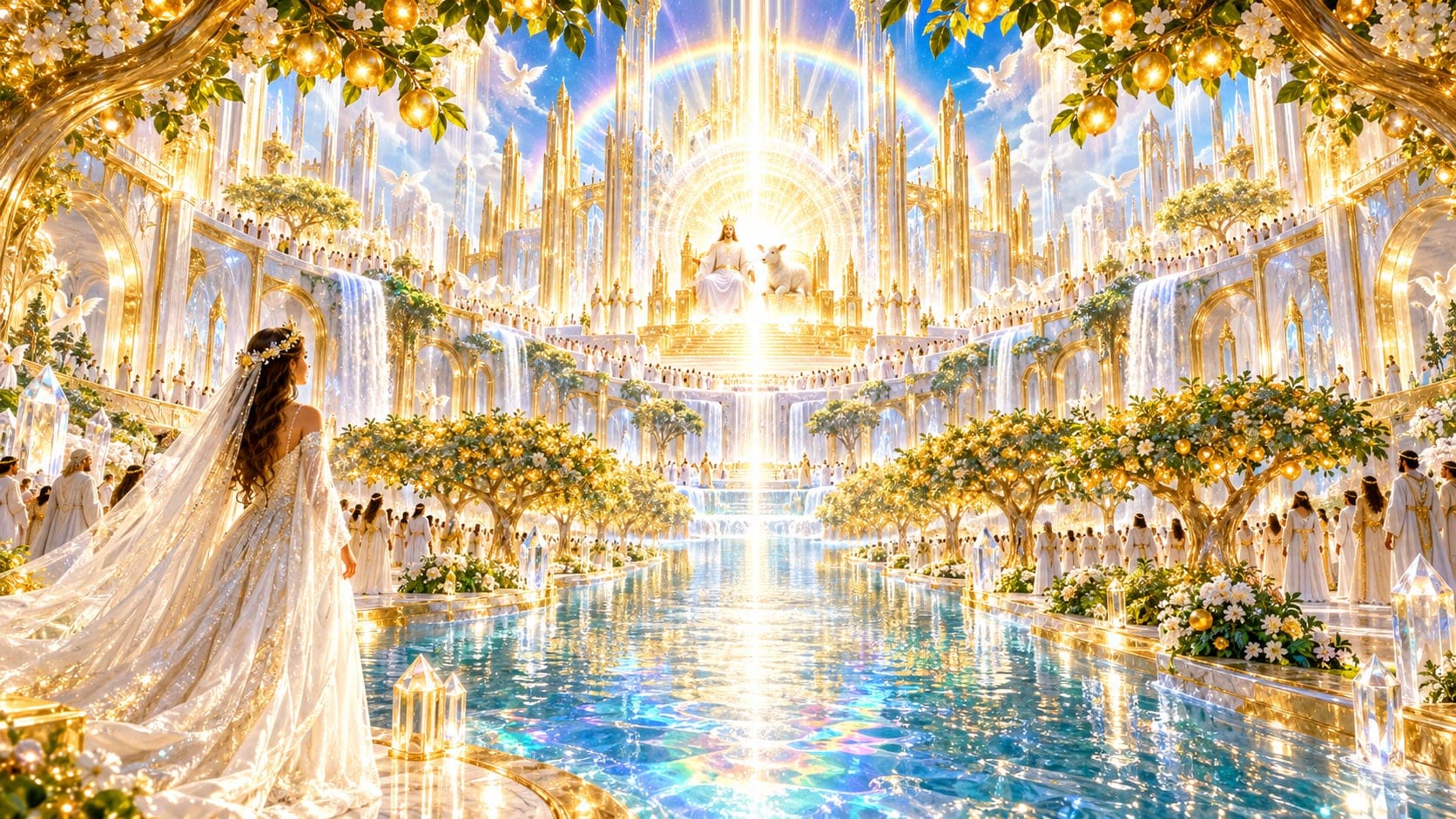
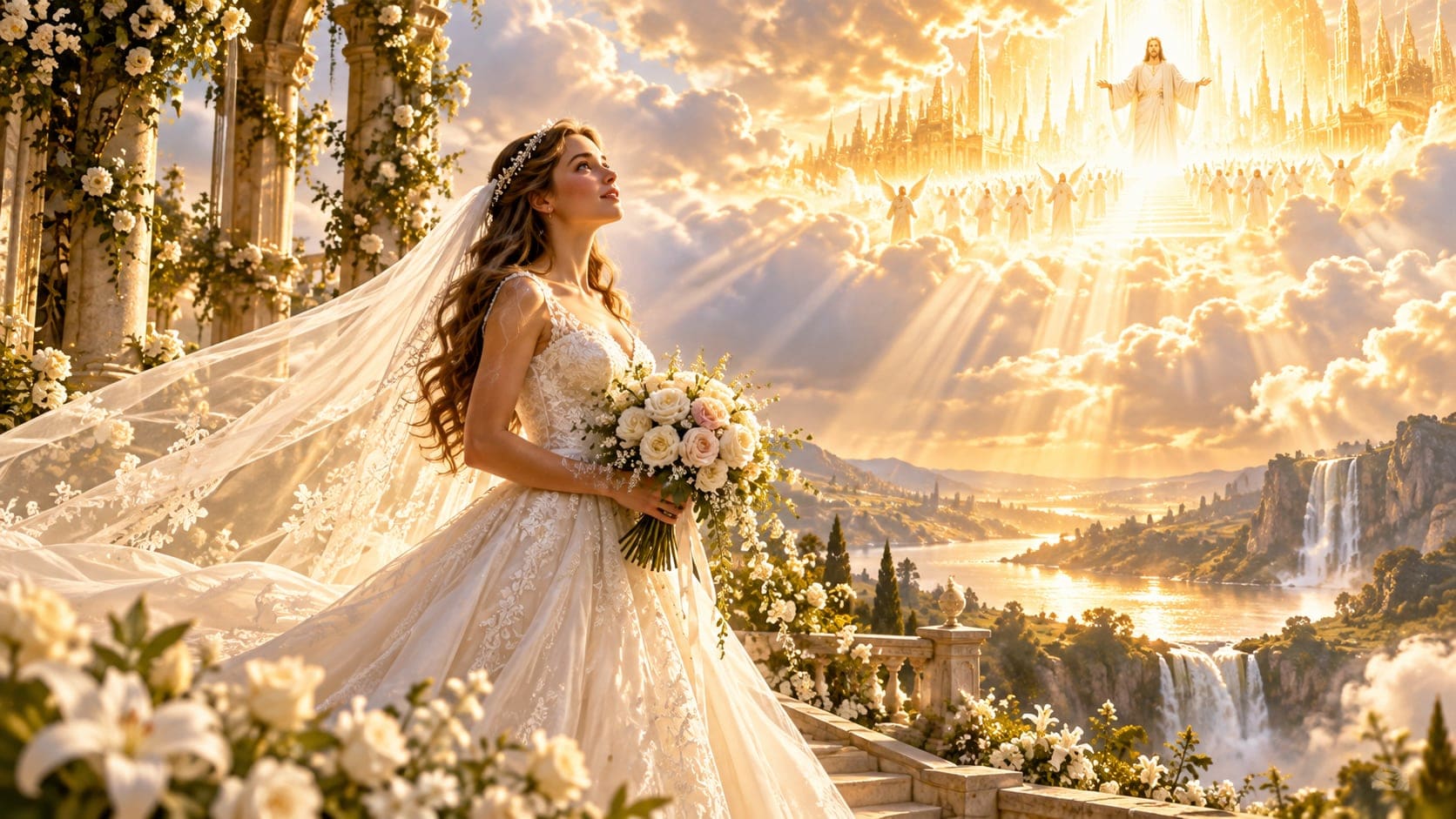
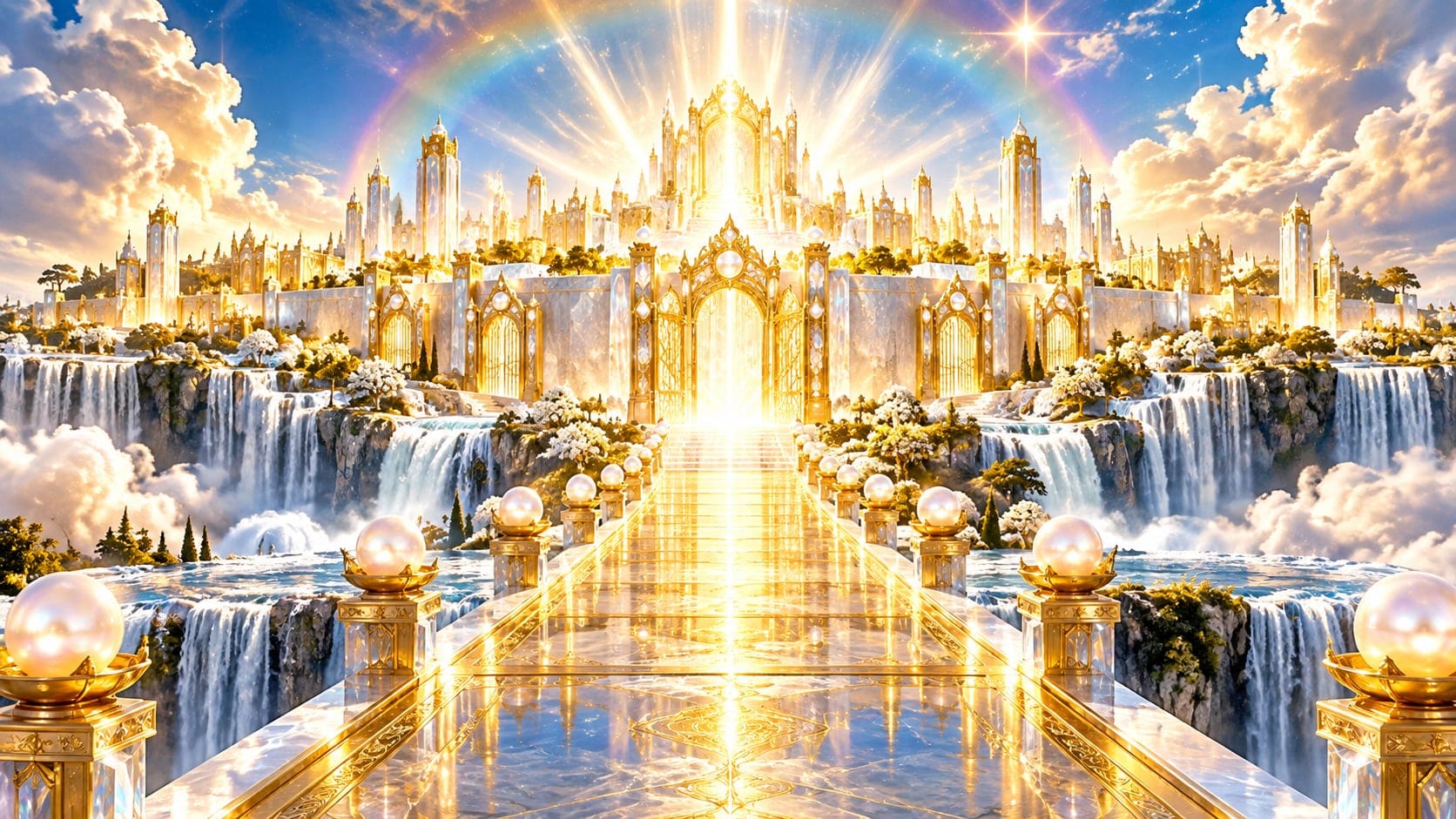
Scripture speaks of the Jerusalem which is above now — and of a New Jerusalem still to come, “coming down from God out of heaven, prepared as a bride adorned for her husband” (Revelation 21:2). An angel shows John “the bride, the Lamb’s wife,” and what he sees is the holy city (Revelation 21:9–10).
The Bride and her city are explored further in The Bride of Christ: Like Mother, Like Daughter and What Is New Jerusalem?