Who Is the Holy Spirit? Eleven Questions from Scripture
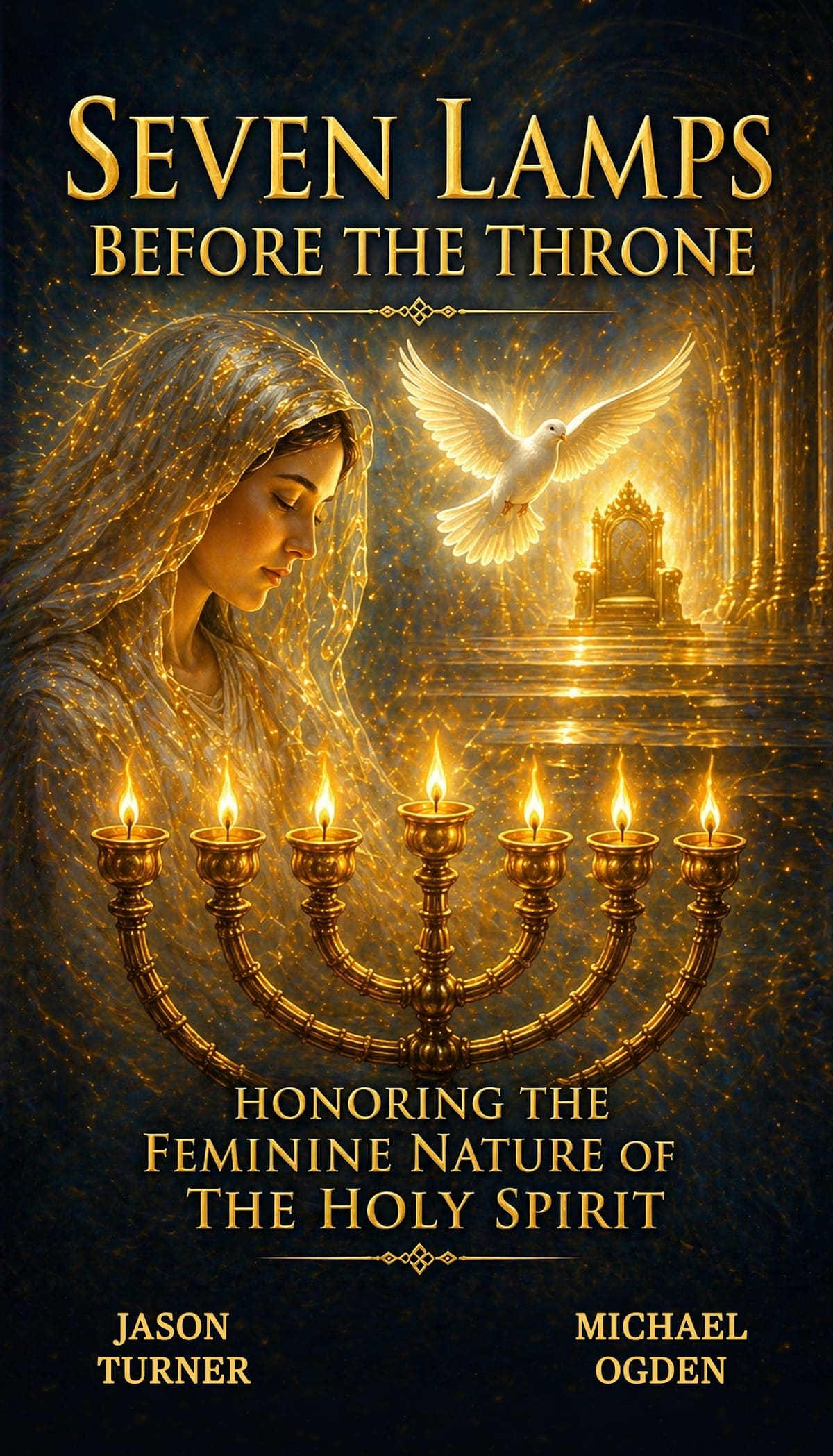
A guided journey through the passages at the heart of Seven Lamps Before the Throne
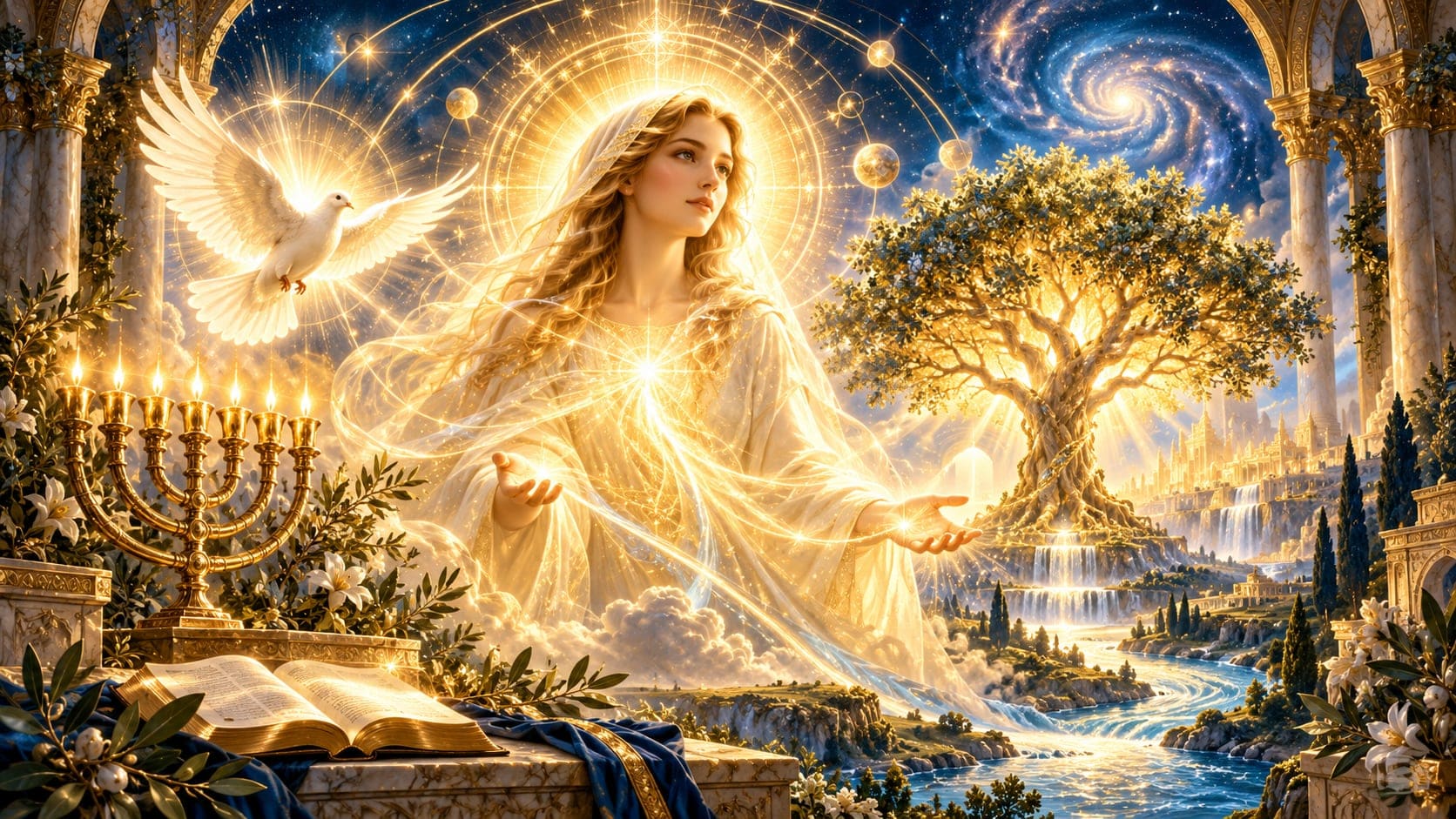
And Jesus, when he was baptized, went up straightway out of the water: and, lo, the heavens were opened unto him, and he saw the Spirit of God descending like a dove, and lighting upon him.
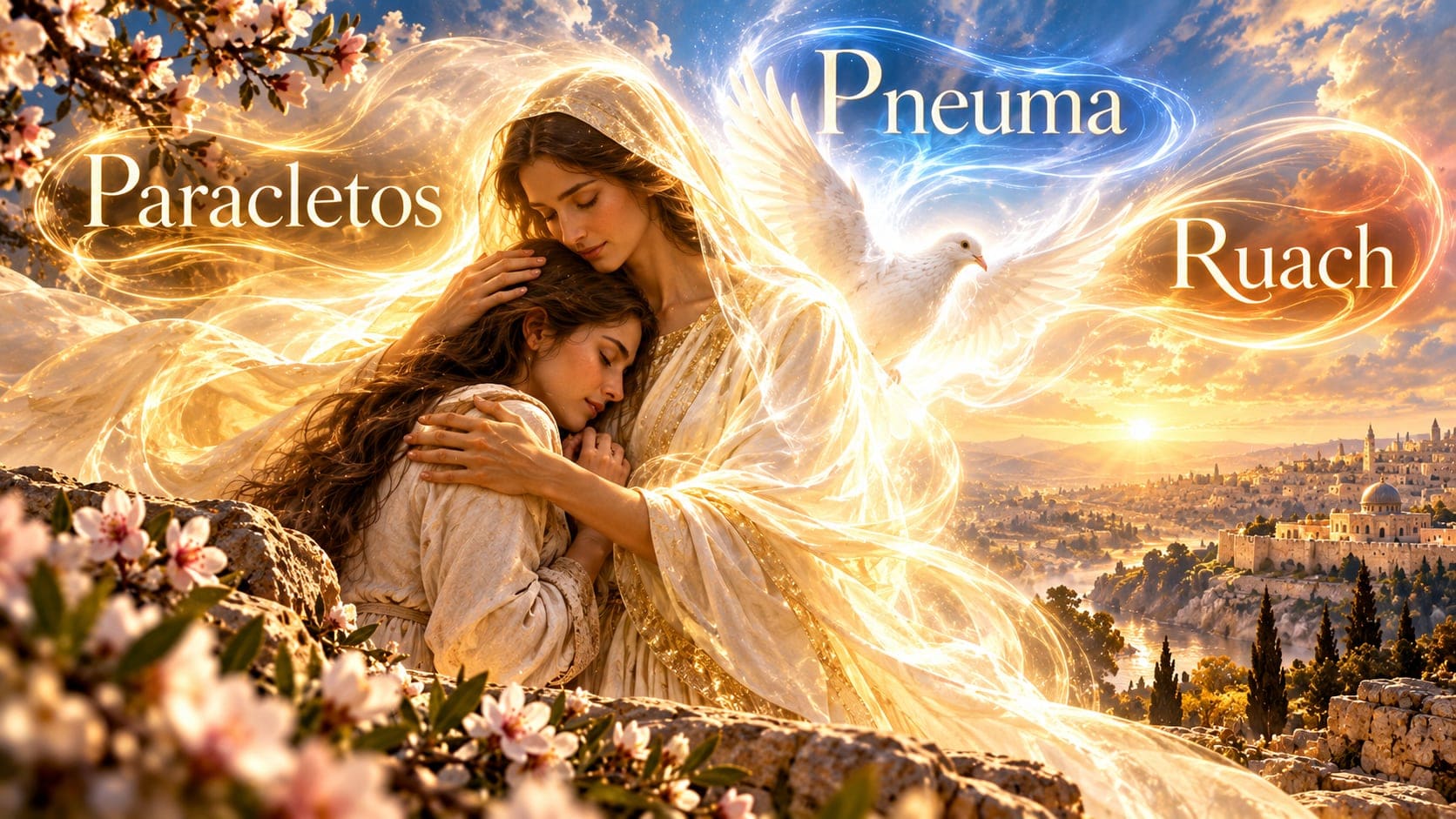
Have you ever wondered why the best-known symbol of the Holy Spirit is a dove? At the baptism of Jesus — one of the few moments in the Gospels where the Father, the Son and the Spirit are all present at once — the Spirit chose this gentle form. In the Hebrew of the Old Testament the word for dove is yonah; in the Greek of the New Testament it is peristera. Both are feminine nouns, and Scripture uses the dove as a picture of a beloved woman: “My dove, my undefiled is but one; she is the only one of her mother” (Song of Solomon 6:9).
The ministry’s very name comes from that word. Yona Tree is, quite literally, the dove and the tree — two symbols that run through Scripture from Genesis to Revelation.
What follows is a short questionnaire. Each question is answered from the Bible. We ask only that you read with an open mind and a prayerful heart.
Eleven questions
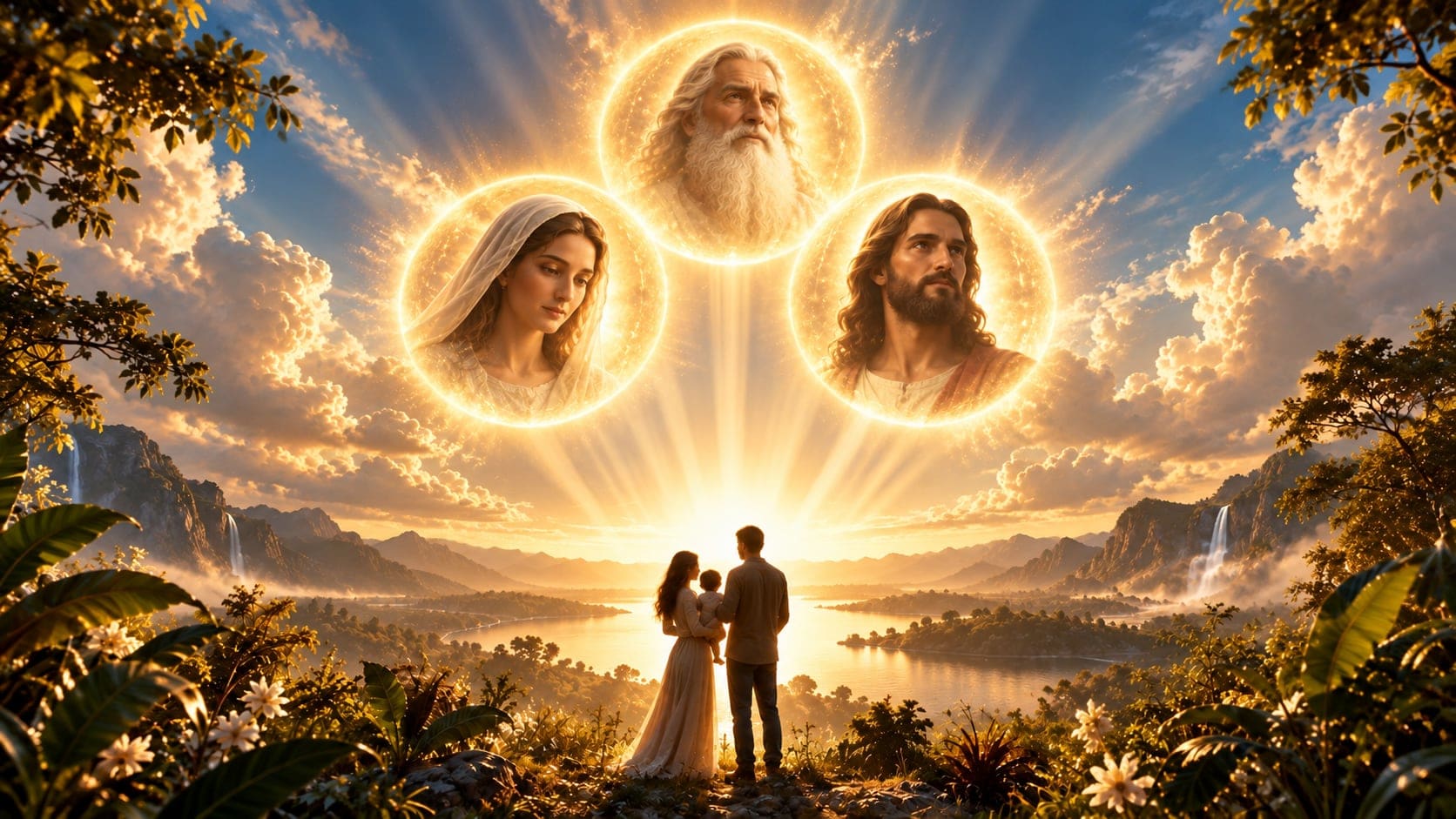
- Are three distinct Persons revealed within the Holy Trinity? Yes. “There are three that bear record in heaven, the Father, the Word, and the Holy Ghost: and these three are one” (1 John 5:7).1 At the Jordan the Father speaks, the Son is baptized and the Spirit descends (Matthew 3:16–17).
- Is there a Parent and Child relationship within the Trinity? Yes. “The Father loveth the Son, and hath given all things into his hand” (John 3:35).
- Who is the Son of God the Father? Jesus Christ — “these are written, that ye might believe that Jesus is the Christ, the Son of God” (John 20:31).
- Is the Holy Spirit a second Child of that union? No. Jesus alone is “the only begotten of the Father, full of grace and truth” (John 1:14).
- Were both the Father and the Holy Spirit involved in the conception of Christ? Yes. “The Holy Ghost shall come upon thee, and the power of the Highest shall overshadow thee” (Luke 1:35).
- Is the Holy Spirit then a second Parent figure? Yes. Mary “was found with child of the Holy Ghost” (Matthew 1:18).
- Is the Holy Spirit a second Father? No. “One is your Father, which is in heaven” (Matthew 23:9). No one prays, “Our Fathers which art in heaven.”
- Which Person of the Trinity is responsible for birth in Scripture? The Holy Spirit: “That which is born of the flesh is flesh; and that which is born of the Spirit is spirit” (John 3:6).
- Humanity was made in God’s image. Is giving birth a male or a female function? A female function: “in sorrow thou shalt bring forth children” (Genesis 3:16).
- Are both male and female made in the image of God? Yes. “So God created man in his own image, in the image of God created he him; male and female created he them” (Genesis 1:27).
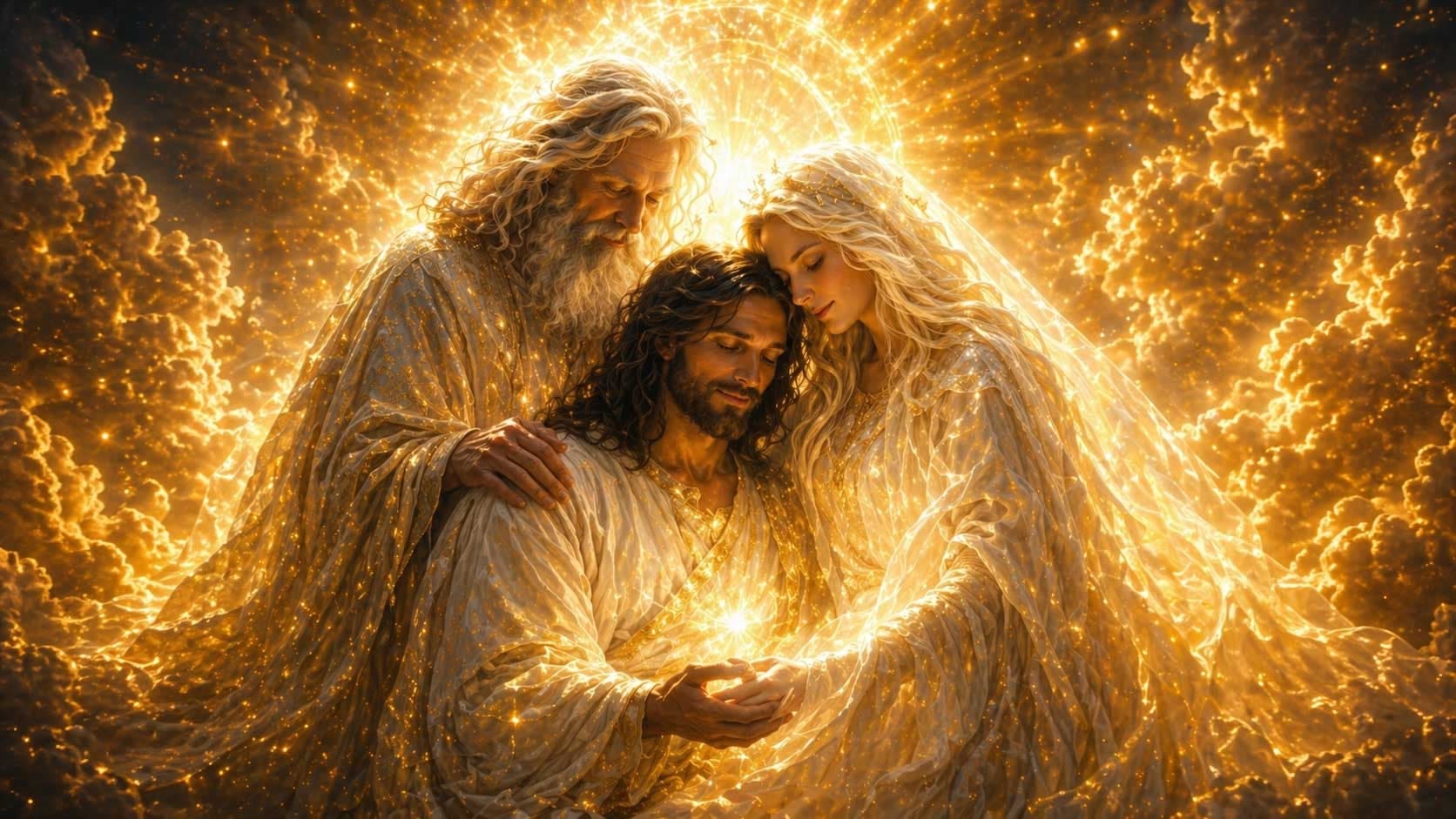
And so the eleventh question gathers the others together. If women also bear the image of God; if birth is a mother’s work; if the Spirit performs the work of birth; if the Spirit is the second Parent within the Trinity; and if the Spirit is not a second Father — who is the Holy Spirit?
Born of water and of the Spirit
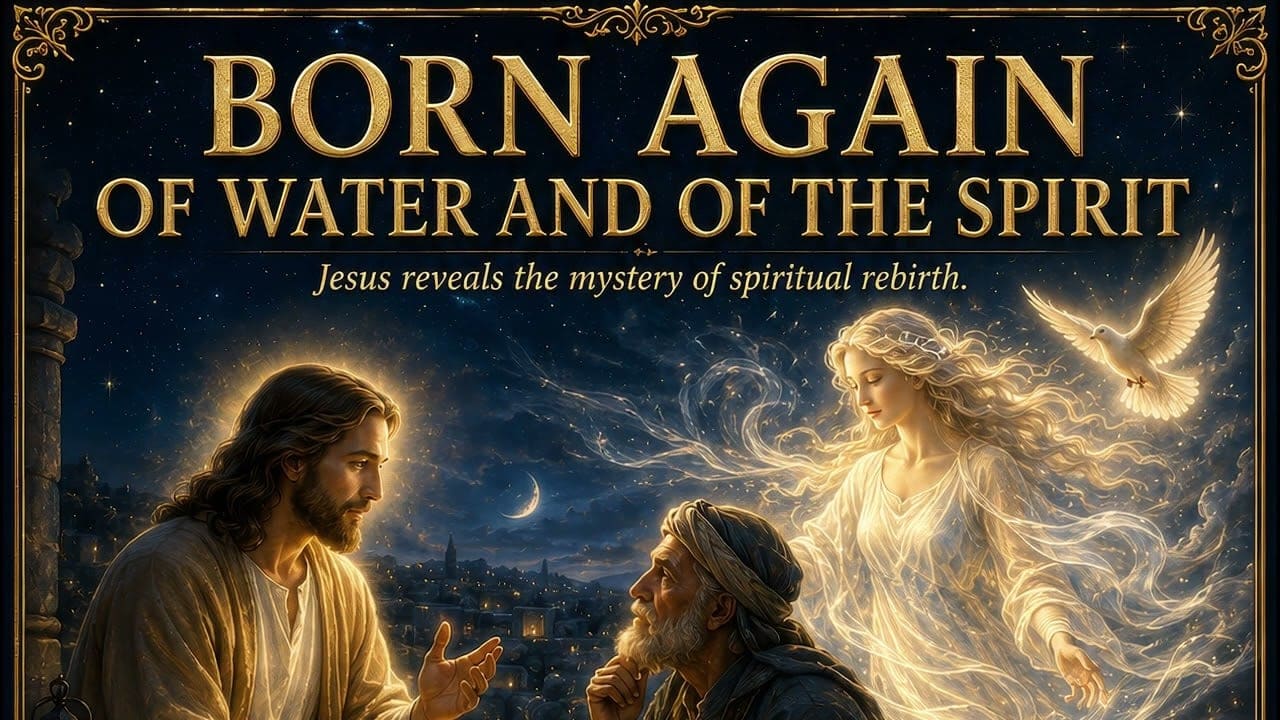
The same Gospel that calls the Spirit the One who gives birth also records the most important conversation about it. When Jesus told Nicodemus that a man must be born again, Nicodemus immediately thought of a mother:
How can a man be born when he is old? can he enter the second time into his mother’s womb, and be born? Jesus answered, Verily, verily, I say unto thee, Except a man be born of water and of the Spirit, he cannot enter into the kingdom of God.
Notice that Jesus does not correct the association. He deepens it, drawing a parallel between physical birth — “born of water” — and spiritual birth — “born of the Spirit.” Paul uses the same language when he says God “saved us, by the washing of regeneration, and renewing of the Holy Ghost” (Titus 3:5).
Baptism pictures that rebirth. We go down into the water as we once lay in the womb, and we rise to new life in Christ. Baptism also pictures the death, burial and resurrection of Jesus — and Scripture tells us it was the Spirit who raised Him from the dead (Romans 8:11). The same Spirit raises us from spiritual death when we are born again.
Parents to the redeemed
Yona Tree’s reading is that the Father and the Spirit are Parents not only within the mystery of the Trinity but also toward redeemed humanity. The Father promises, “I will receive you, and will be a Father unto you, and ye shall be my sons and daughters” (2 Corinthians 6:17–18). And of the Spirit, Jesus says: “The wind bloweth where it listeth, and thou hearest the sound thereof, but canst not tell whence it cometh, and whither it goeth: so is every one that is born of the Spirit” (John 3:8).
Early Christian writers asked similar questions long before us. Some of their words are gathered in Voices from Church History.
Study it for yourself
Take the eleven questions slowly. Read each passage in its context, compare translations, and pray. The goal is not to win an argument but to know the God who has called you His child — begotten of the Father, born of the Spirit, and betrothed to the Son.
Notes
-
The wording of 1 John 5:7 quoted here appears in the King James Version. Most modern translations, following the oldest Greek manuscripts, do not include it. The distinct Persons of the Father, the Son and the Holy Spirit are also seen together in Matthew 3:16–17 and Matthew 28:19. ↩