Begotten and Born: Reading the Nicene Creed Closely
Ontology and economy, four phrases of the creed, and the Word born of the Breath of God
One God. Three Persons. The Holy Trinity. Before asking who the Holy Spirit is, it helps to be clear about how Christians have learned to speak of God at all.
Two ways to study God
Theologians divide the study of the Godhead into two categories. Ontology is the study of God’s very being — what makes God God. It contemplates God’s oneness. In this sense the Father, the Son and the Holy Spirit share every divine attribute equally and in perfect unity:
- Self-existence — God needs nothing and no one: “I AM THAT I AM” (Exodus 3:14).
- Eternalness — “from everlasting to everlasting, thou art God” (Psalm 90:2).
- Omnipotence, omnipresence and omniscience — all-powerful, everywhere present, all-knowing.
- Omnibenevolence — wholly good, righteous, just and loving.
- Immutability — “I am the LORD, I change not” (Malachi 3:6).
Economy is the study of the distinct roles of the three Persons in creation and redemption. It contemplates God’s threeness. Here a family-like order appears: the Son is sent by the Father, and the Spirit proceeds from the Father to accomplish His will. Think of a single human body. You are one person, yet your mind directs your hands — one individual with different parts that have different roles.
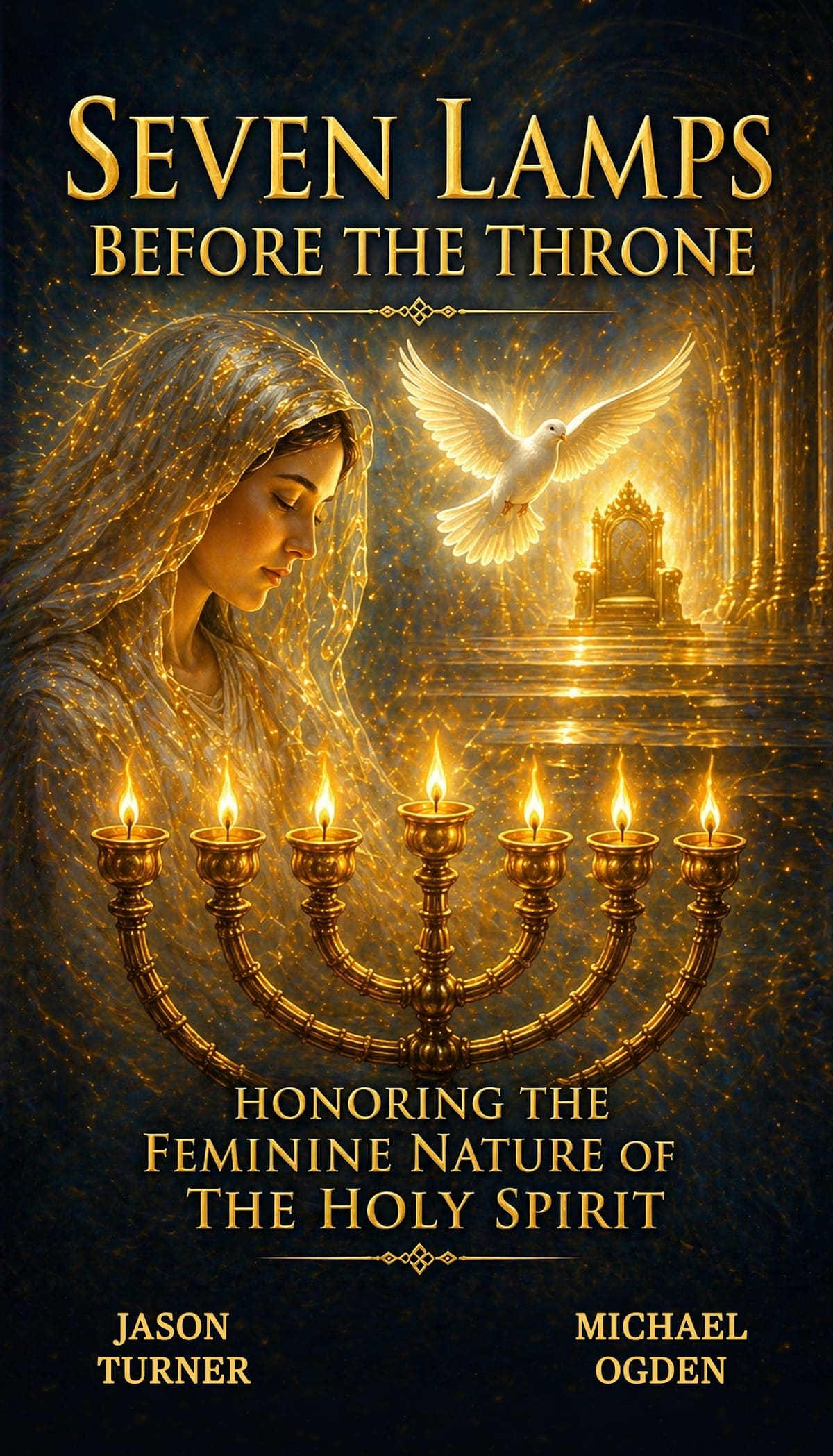
Seven Lamps Before the Throne is an economic study. It does not attempt a dissertation on the oneness of God; it asks who the three Persons are to one another, and to us.
Where we agree, and where we differ
The creed first produced at Nicaea in 325 and expanded at Constantinople in 381 is the most widely accepted statement of Christian faith. Yona Tree affirms it, and believes that openness about where we differ is a mark of honest study. Four phrases deserve attention.
One baptism
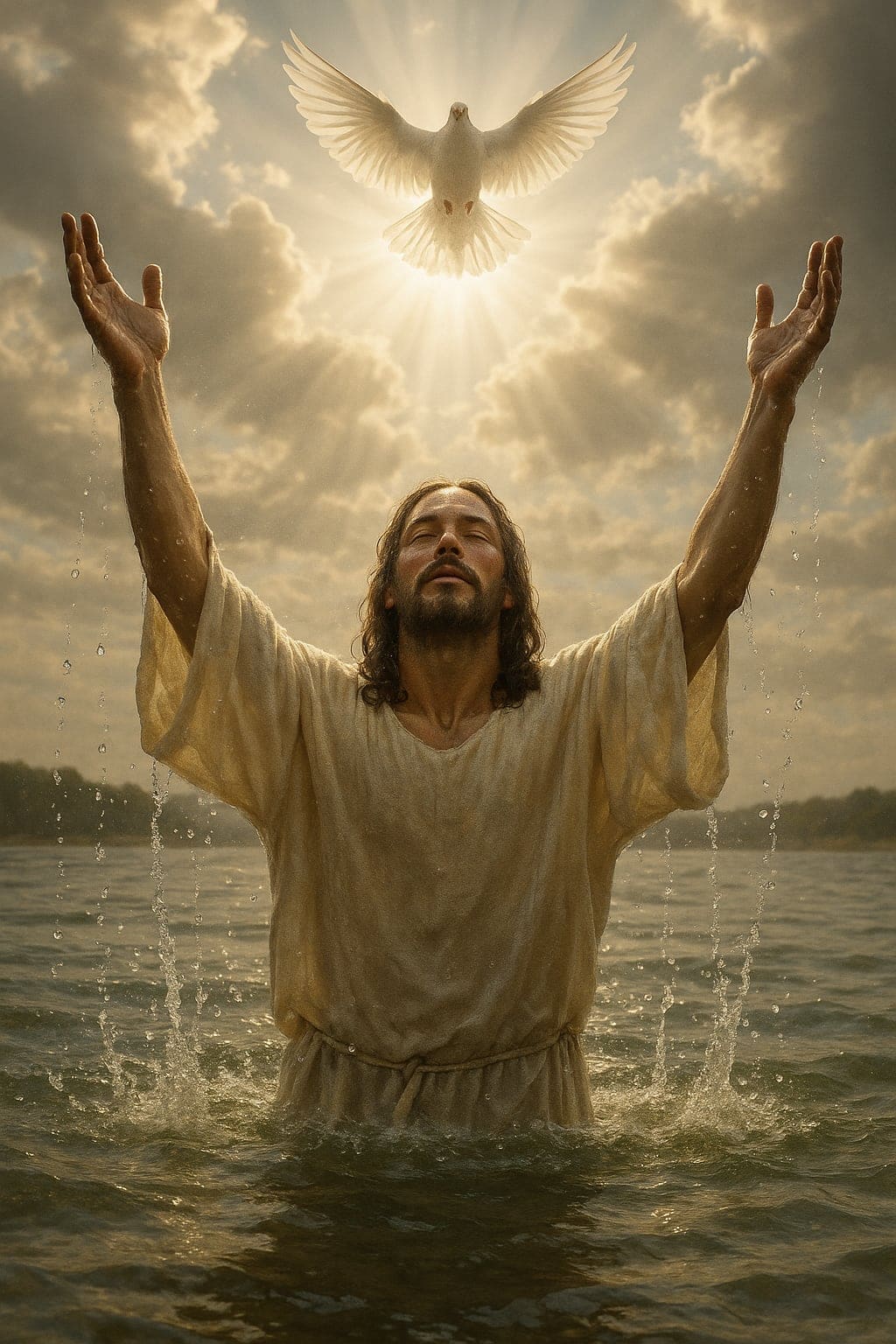
The creed confesses “one baptism for the forgiveness of sins.” Our persuasion is that the one baptism which brings forgiveness is the baptism of the Holy Spirit, and that water baptism is a figure of that invisible work. “For by one Spirit are we all baptized into one body” (1 Corinthians 12:13). Going through the motions cannot save anyone; salvation is accomplished supernaturally by spiritual rebirth.
Catholic and apostolic
Catholic means “universal,” and apostolic refers to the authority of Christ’s appointed Apostles over His Church and its teaching. We believe in the one, holy, universal Church passed down through the Apostles. We are non-denominational, and gladly call anyone of any denomination who trusts in Jesus Christ our brother or sister. “Is Christ divided?” (1 Corinthians 1:13).
Who proceeds from the Father — through the Son
Yona Tree’s own wording is “the Lord, the giver of life, who proceeds from the Father through the Son.” The Spirit of God is the Spirit of life (Romans 8:2), and Jesus describes how that life is given:
For as the Father hath life in himself; so hath he given to the Son to have life in himself.
The Father gives the Spirit of life to the Son; the Son gives the Spirit of life to all who hear His voice (John 5:25).
Begotten and born
The creed’s English translations differ on one word. Some say the Son was “begotten of his Father before all worlds”; the modern Roman Catholic translation says “born of the Father before all ages.” Both render a form of the Greek verb gennao.
Gennao is a versatile word for bringing forth a child. When it describes a father it is translated begotten; when it describes a mother it is translated born. Webster’s 1828 dictionary defines beget as “to procreate as a father or sire.” English translators have generally — and rightly — chosen born when gennao is joined to the Spirit. The very first discussion of the Spirit’s work compares it to birth from a mother’s womb (John 3:3–4), and Paul’s discussion in Galatians speaks of the barren woman and the free woman (Galatians 4:27–31).
The Word born of the Breath
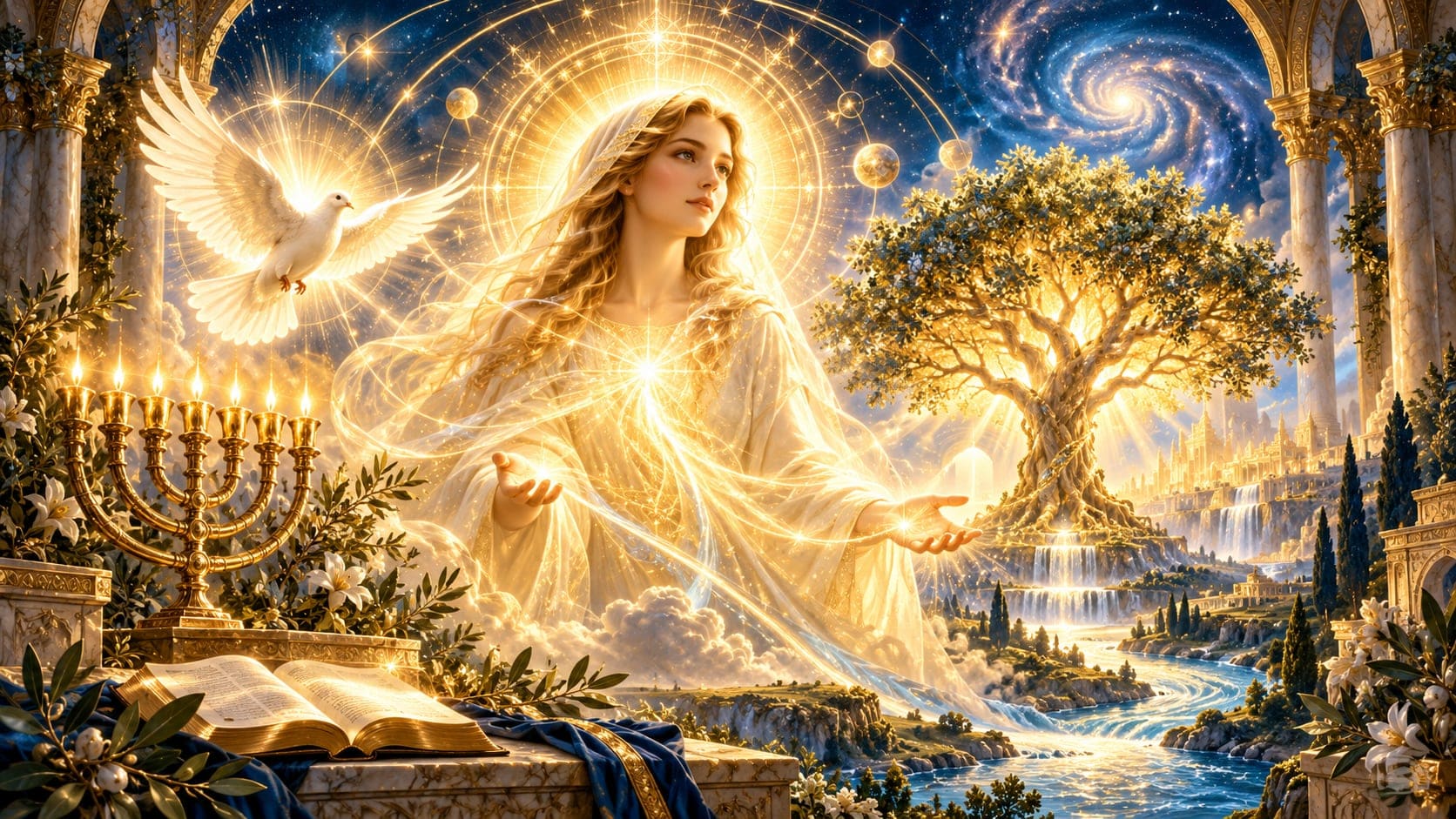
Perhaps the clearest picture is human speech. Speech begins with thought and will. The will gives rise to a word, and the spoken word is carried on breath. Scripture calls the Son the Word of God (John 1:1–3), and it speaks of the Spirit as the Breath of God: “the spirit of God is in my nostrils” (Job 27:3); “the LORD God… breathed into his nostrils the breath of life” (Genesis 2:7). Creation itself came by both: “By the word of the LORD were the heavens made; and all the host of them by the breath of his mouth” (Psalm 33:6).
Christians believe Scripture is inspired — literally, God-breathed (2 Timothy 3:16). Without breath there would be no words.
Four kinds of parenthood
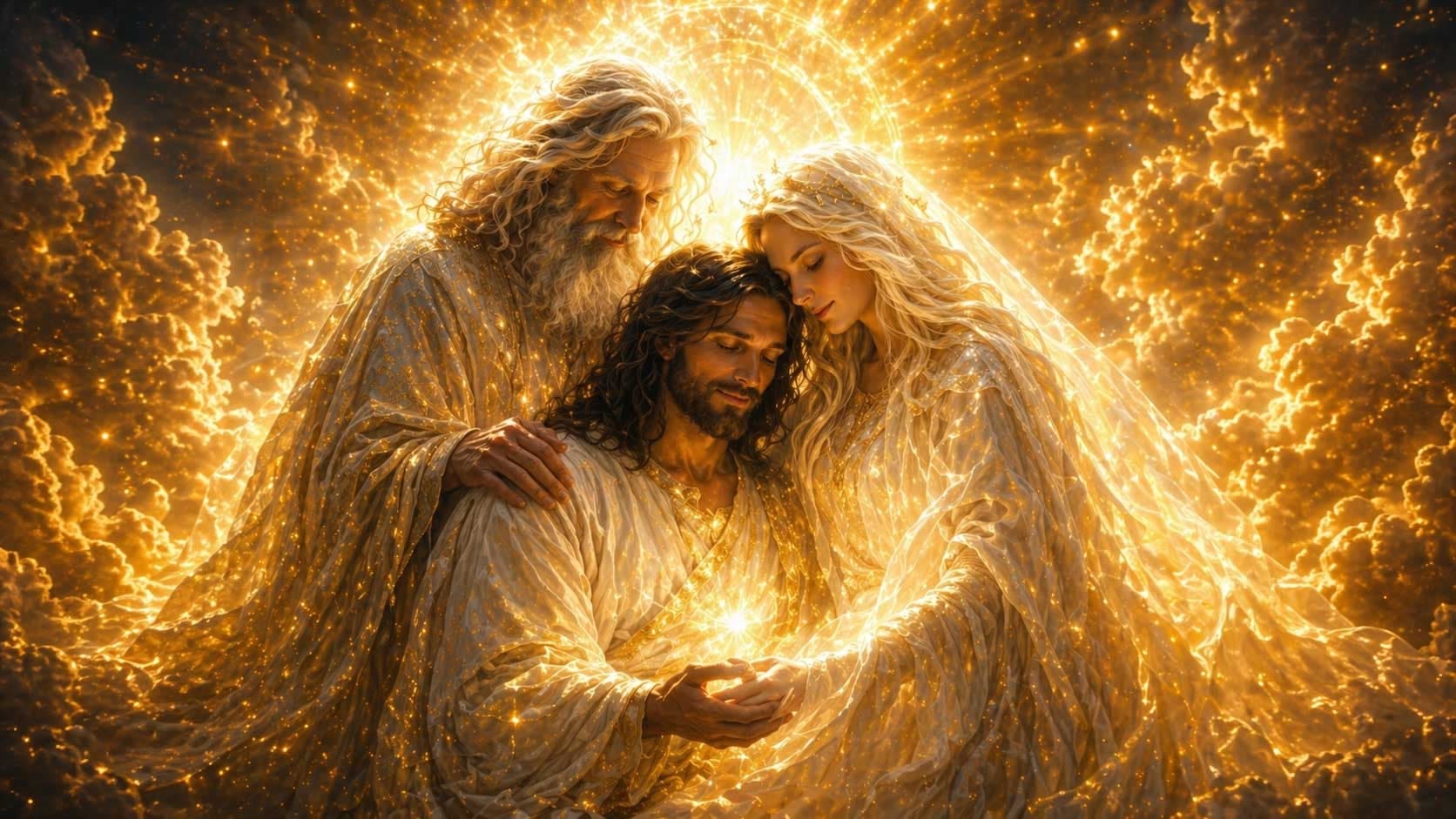
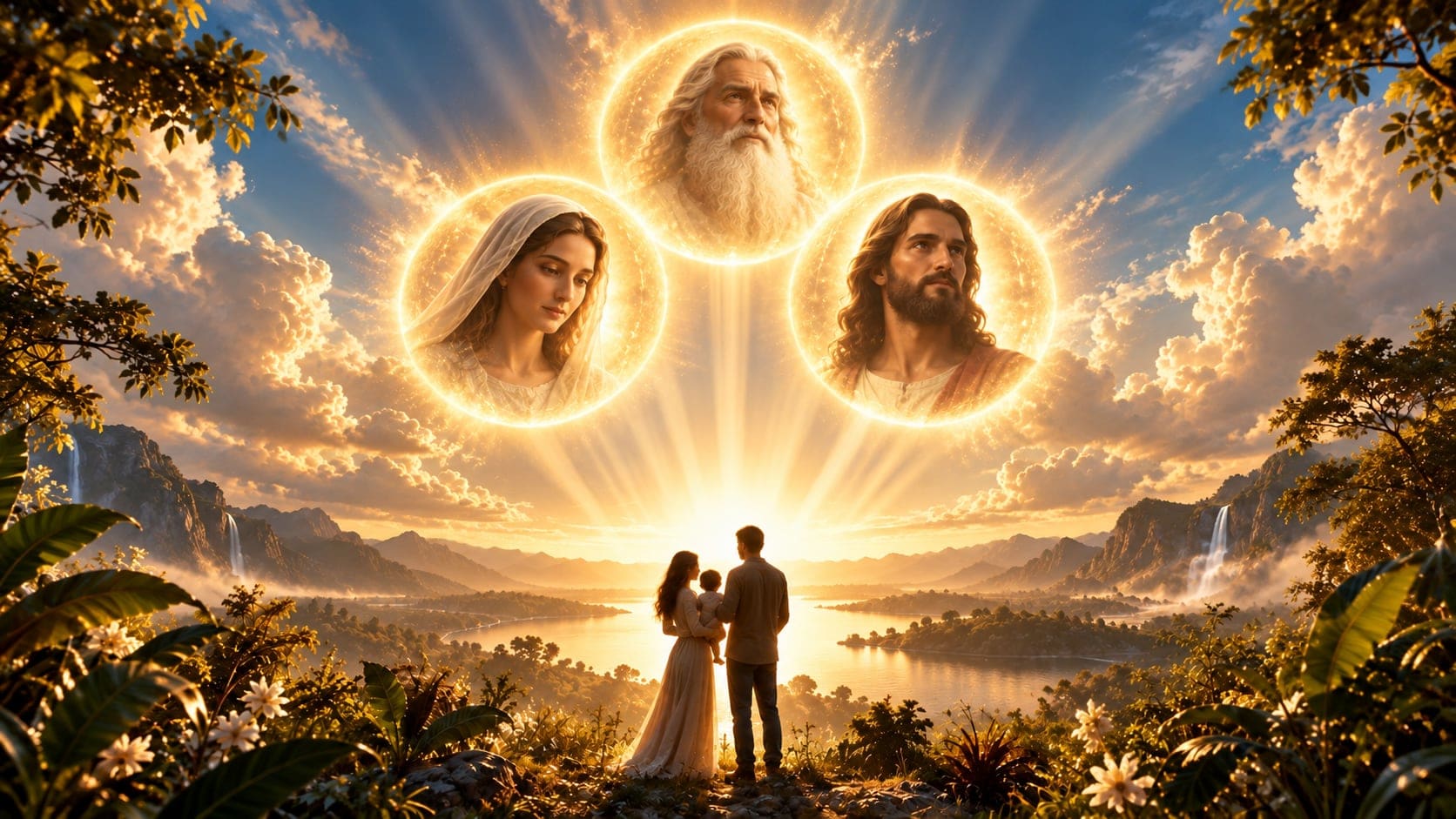
Following this thread, the book describes the Father and the Spirit as Heavenly Parents in four ways:
- Of the pre-incarnate Word — before all ages and before creation.
- Of the incarnate Word — “The Holy Ghost shall come upon thee, and the power of the Highest shall overshadow thee” (Luke 1:35).
- Of the resurrected Word — begotten from the dead by the Father’s decree, “Thou art my Son, this day have I begotten thee” (Acts 13:33), and “quickened by the Spirit” (1 Peter 3:18).
- Of the redeemed — begotten again by the Father (1 Peter 1:3) and born again of the Spirit (John 3:5–7).
Understanding this dual parenthood, Yona Tree believes, is foundational to understanding who the Holy Spirit is — the question taken up in Eleven Questions from Scripture.