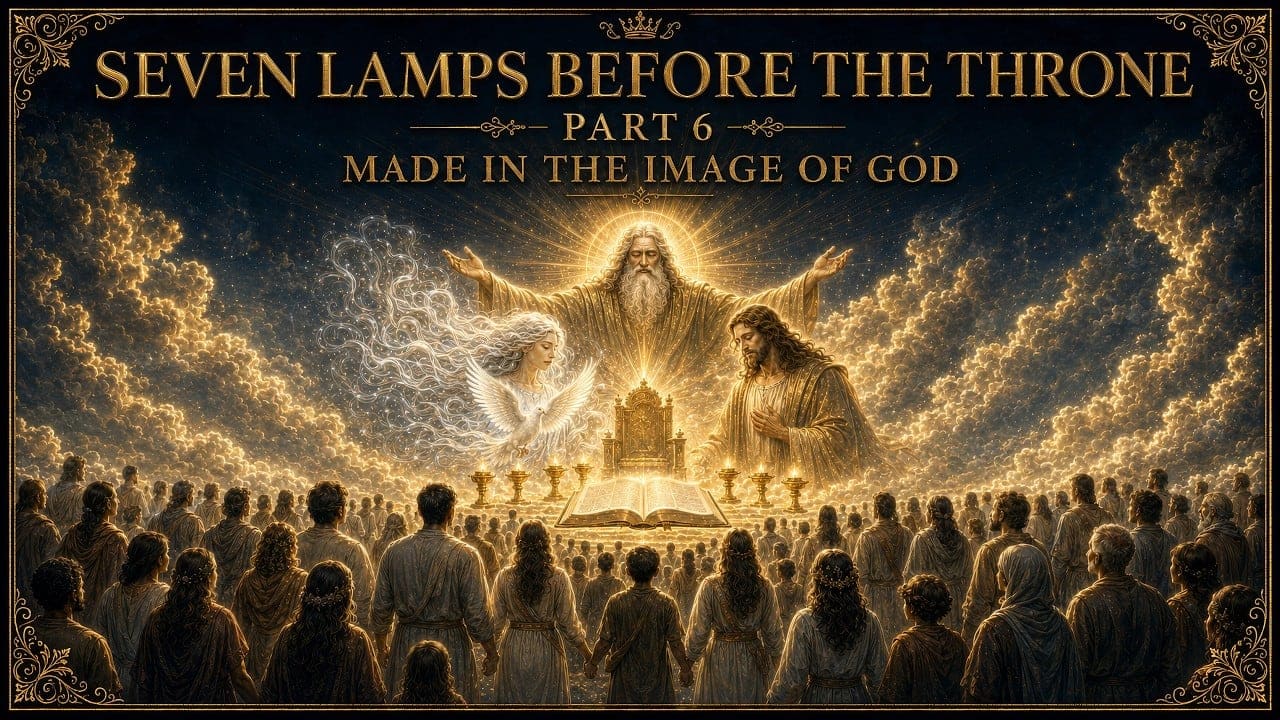
Made in Our Image: The First Family and the Family of God
What Adam, Eve and their son may teach us about the Father, the Spirit and the Son
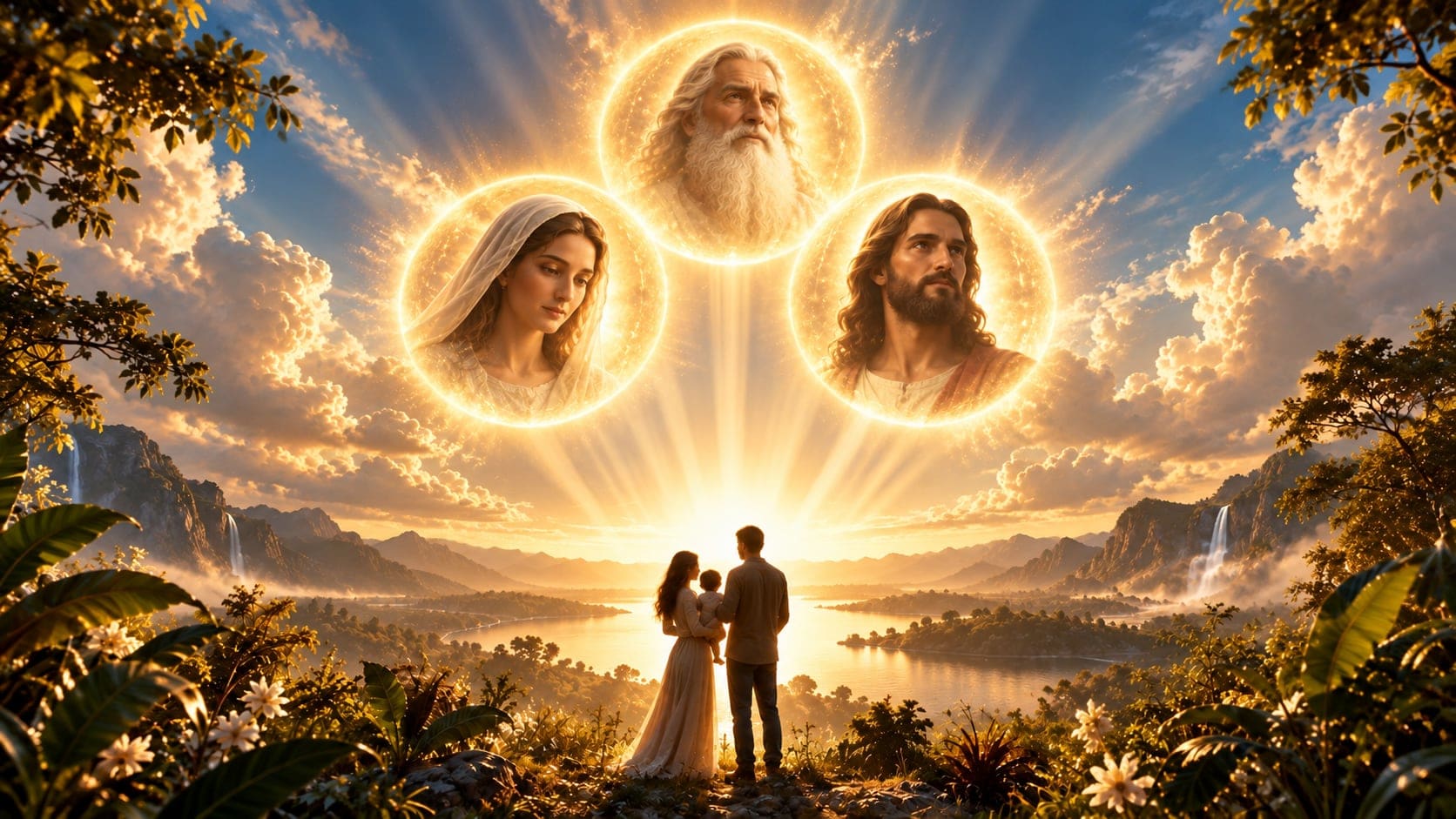
And God said, Let us make man in our image, after our likeness… So God created man in his own image, in the image of God created he him; male and female created he them.
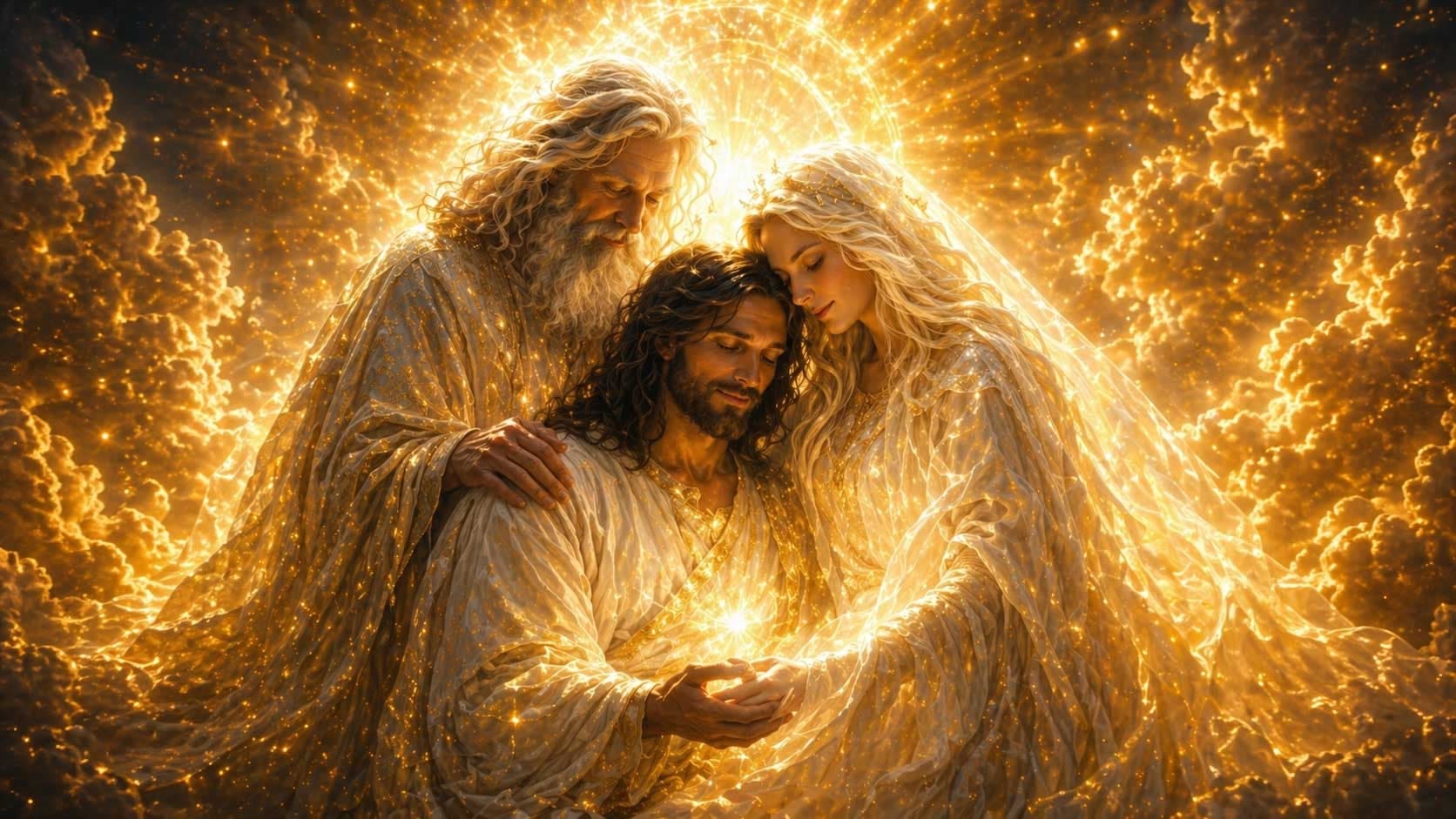
Humanity is the only part of creation said to be made in the image of God. That image was expressed in a man and a woman — and before long in three people who were father, mother and son to one another.
The first family
Genesis tells the story in a few verses. The LORD God formed the man from the dust and breathed into his nostrils the breath of life (Genesis 2:7). It was “not good that the man should be alone,” so God made “an help meet for him” — a helper suitable for him (Genesis 2:18). The woman was taken out of the man, and “Adam called his wife’s name Eve; because she was the mother of all living” (Genesis 3:20). Then “Adam knew Eve his wife; and she conceived, and bare Cain, and said, I have gotten a man from the LORD” (Genesis 4:1).
Mortal and fallen as they would become, the first family still embodied a pattern: each person bore God’s image individually, and together they formed a family of father, mother and son.
If we want to understand the relationships between the Father, the Spirit and the Son, Yona Tree suggests, we can begin with the relationships God built into us. It makes sense to look at earthly fathers and sons to learn about God the Father and God the Son. And a father is naturally accompanied by a mother.
Fill in the blank
Try a simple exercise. Without using the words Holy Spirit or Holy Ghost, fill in the blank:
The Father, the ________, and the Son.
For many people the word that comes to mind is Mother — the missing piece the phrase seems to call for. Or try changing a single adjective in the familiar list, using one that Scripture fully supports: the Father, the Birthing Spirit, the Son. With one word changed, the Trinity takes on the appearance of a Holy Family.
Traditionally a family takes its father’s name, and Paul writes of “the Father of our Lord Jesus Christ, of whom the whole family in heaven and earth is named” (Ephesians 3:14–15). A whole family, Yona Tree observes, is not usually thought of as complete without a mother.
Four questions
The idea can be tested by any born-again believer with four questions:
- Were you ever born physically?
- Who is your physical mother?
- Were you ever born spiritually?
- Who is your spiritual Mother?
In this reading, two Members of the Trinity are our Parents and one is our Spouse. One begets us as a Father (1 Peter 1:3); One births us (John 3:5–7); and One loves us as a Husband loves his bride (Ephesians 5:25–32). Whether or not we have known the companionship of an earthly father, mother or spouse, we can find completeness in God: “in him dwelleth all the fulness of the Godhead bodily. And ye are complete in him” (Colossians 2:9–10).
Many Christians find this difficult to accept, and the difficulty rarely comes from creation itself. More often it comes from questions of language — the subject of The Pronoun Problem.