Voices from Church History on the Holy Spirit as Mother
Origen, Jerome, the Syriac tradition, the Macarian homilies, Zinzendorf — and how to weigh them
Author
Yona Tree
Published
Reading time
4 min
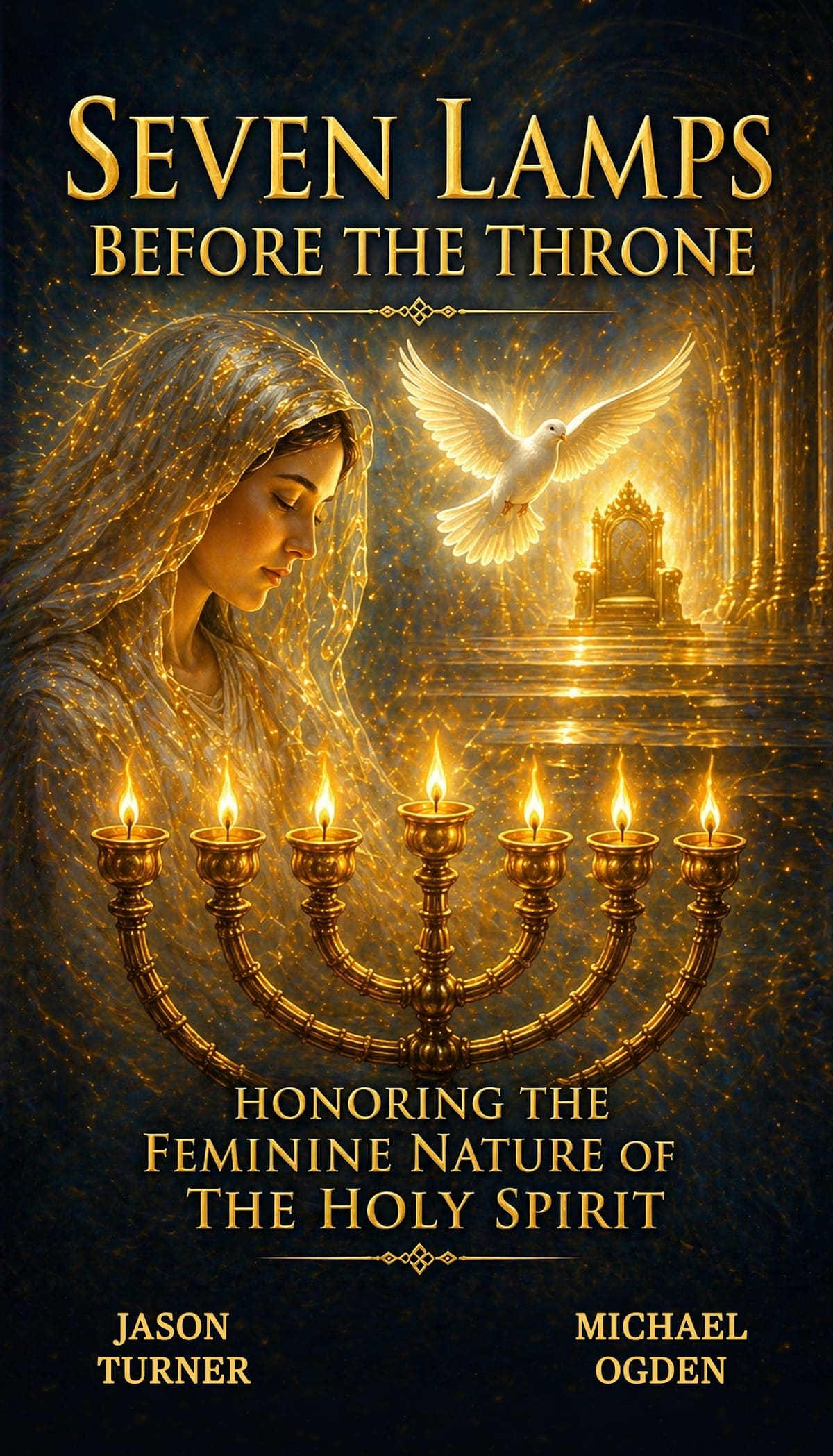
Seven Lamps Before the Throne closes several chapters with a section called Evidence from History. This article gathers those witnesses in one place, with brief notes on who they were. The goal is not to stack up authorities, but to show that serious Christians have asked these questions before — and to be honest about the weight each source can bear.
The Gospel according to the Hebrews
How to weigh it: the Gospel according to the Hebrews was never part of the New Testament and survives only in quotations. Origen and Jerome quote the saying with interest rather than as Scripture. What their comments do show is that early Christians knew of it and did not reject it as unthinkable.
The Syriac tradition
The Macarian homilies and John Wesley
Count Zinzendorf and the “Mother office”
Wisdom as the Spirit: Irenaeus
The Apocrypha
The Church of England’s Thirty-Nine Articles express a balanced view of these books: the Church reads them “for example of life and instruction of manners; but yet doth it not apply them to establish any doctrine.” Yona Tree does not dispute that position. These texts are cited as historical witnesses to how Jews and early Christians spoke about Wisdom and the Spirit — not as Scripture.
Hearing the witnesses fairly
Notes
Sebastian Brock, “The Holy Spirit as Feminine in Early Syriac Literature,” in Janet Martin Soskice, ed., After Eve (1990). ↩
Irenaeus, Against Heresies 4.20.3; Theophilus of Antioch, To Autolycus 2.15. ↩
Why did the Spirit of God descend as a dove? Eleven simple questions, each answered from Scripture, lead toward one of the central conclusions of Yona Tree's study of the Holy Spirit.
A Woman who calls herself Wisdom claims to have been with God before the mountains were settled, rejoicing before Him as an architect at His side. Who is she? Scripture, history and Yona Tree's conclusion, kept distinct.
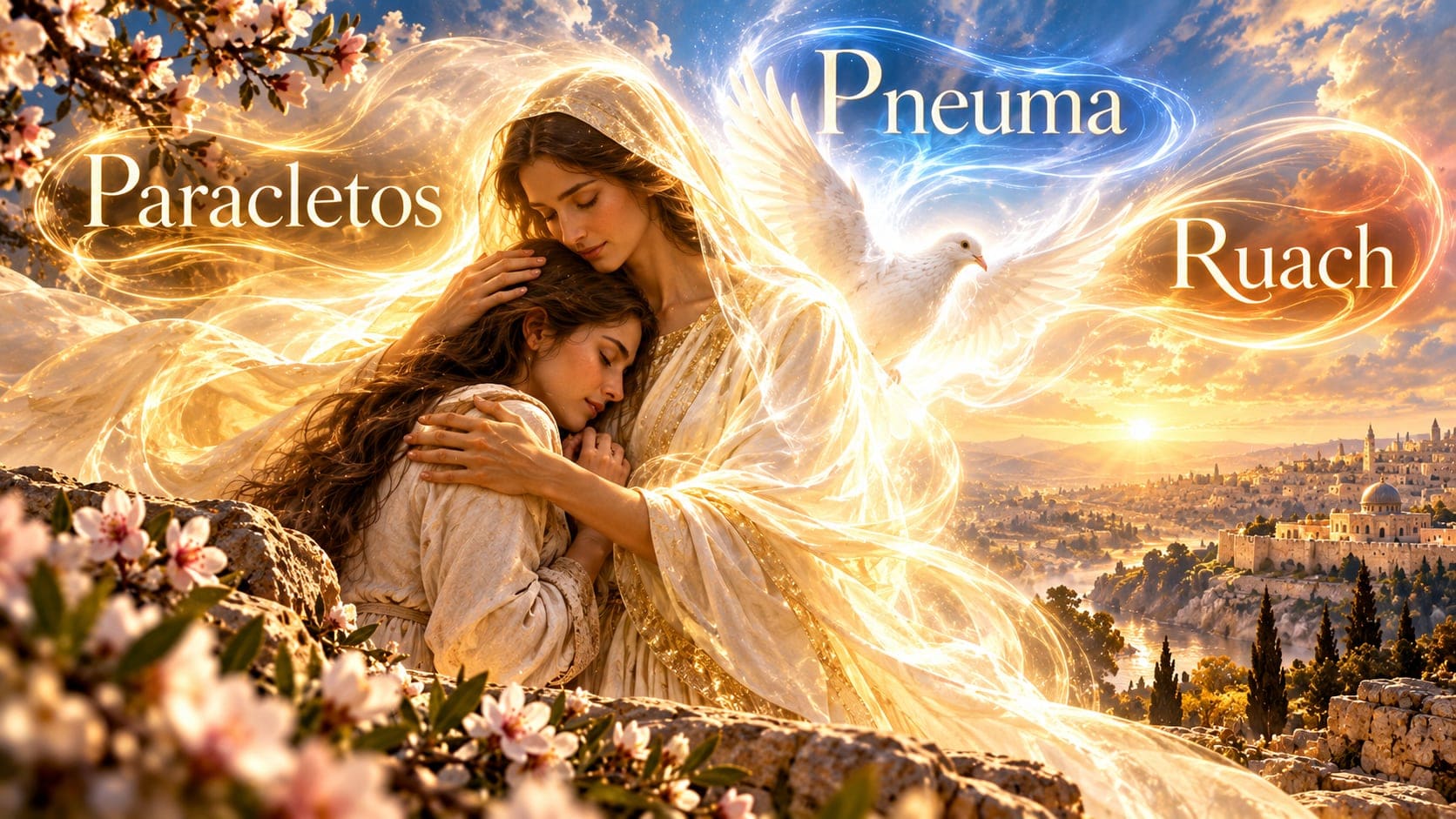
The masculine Greek pronouns usually cited for the Holy Spirit follow one noun, in three chapters of John. A look at paracletos, pneuma and ruach, and the difference between grammatical gender and identity.