
Featured Study
The Holy Spirit
The Breath of God, the Comforter, and the least understood Person of the Trinity
Studies
Study the mysteries woven through Scripture
Each study gathers the passages, history and symbolism behind a theme — and links to the articles, episodes and book chapters that explore it.
All studiesTopic
The Breath of God, the Comforter, and the One through whom believers are born again — the least understood Person of the Holy Trinity.
15 resources · 1 study · 8 articles · 6 videos
Featured Study
The Breath of God, the Comforter, and the least understood Person of the Trinity
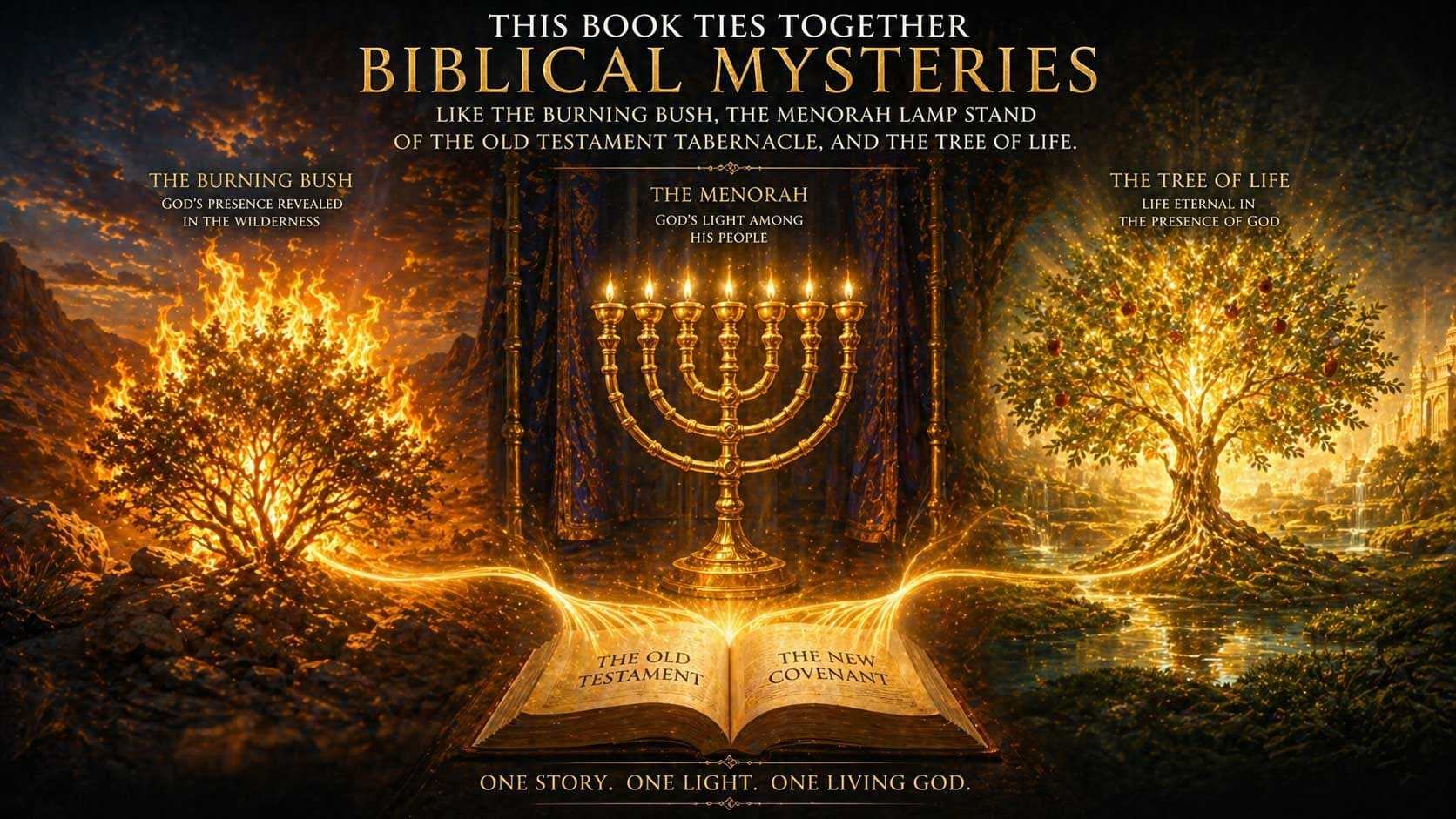
The burning bush, the seven-branched menorah and the Tree of Life are, Yona Tree believes, variations on one theme that begins in the first pages of Genesis and ends in the last chapter of Revelation.
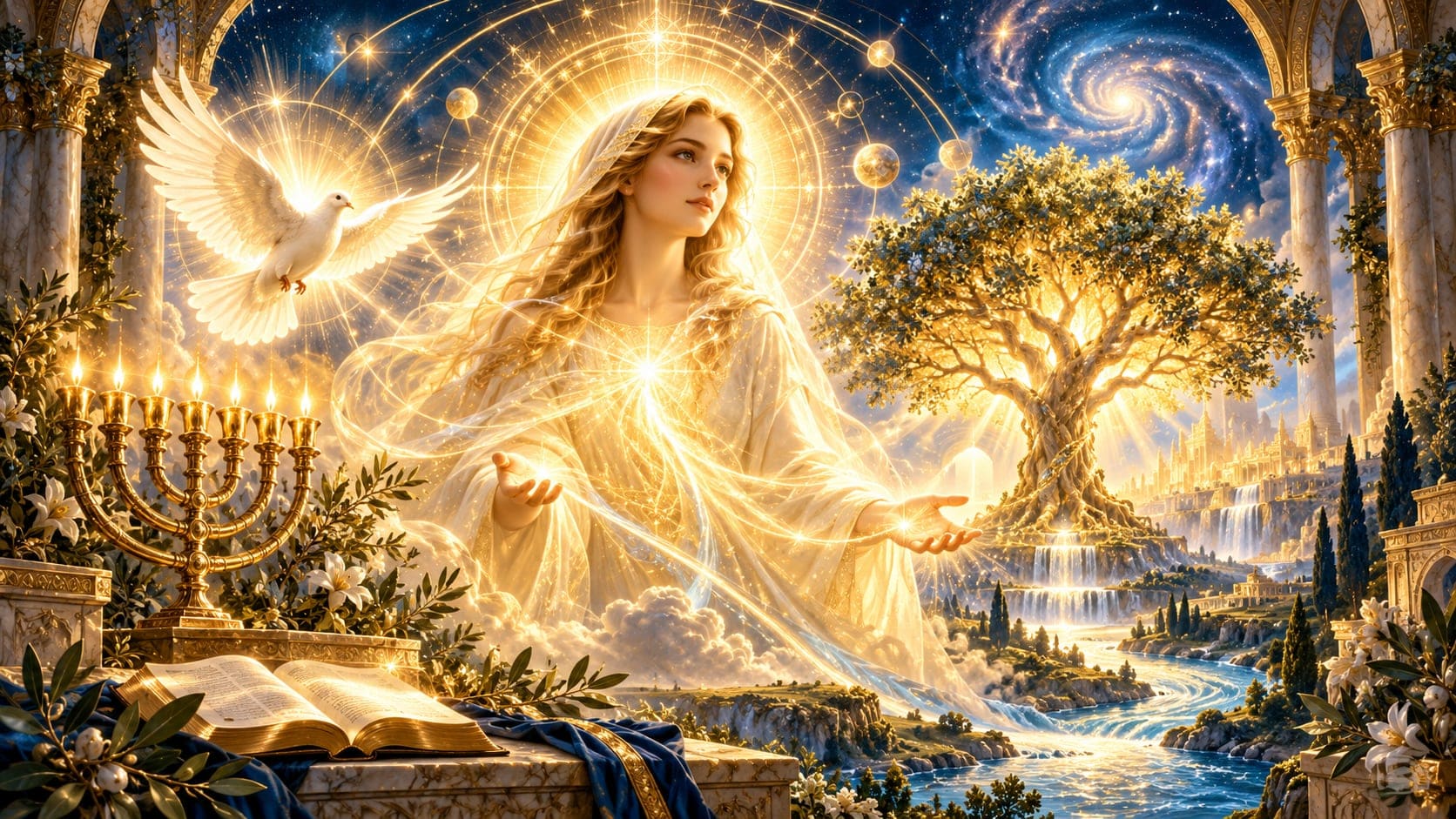
Why did the Spirit of God descend as a dove? Eleven simple questions, each answered from Scripture, lead toward one of the central conclusions of Yona Tree's study of the Holy Spirit.
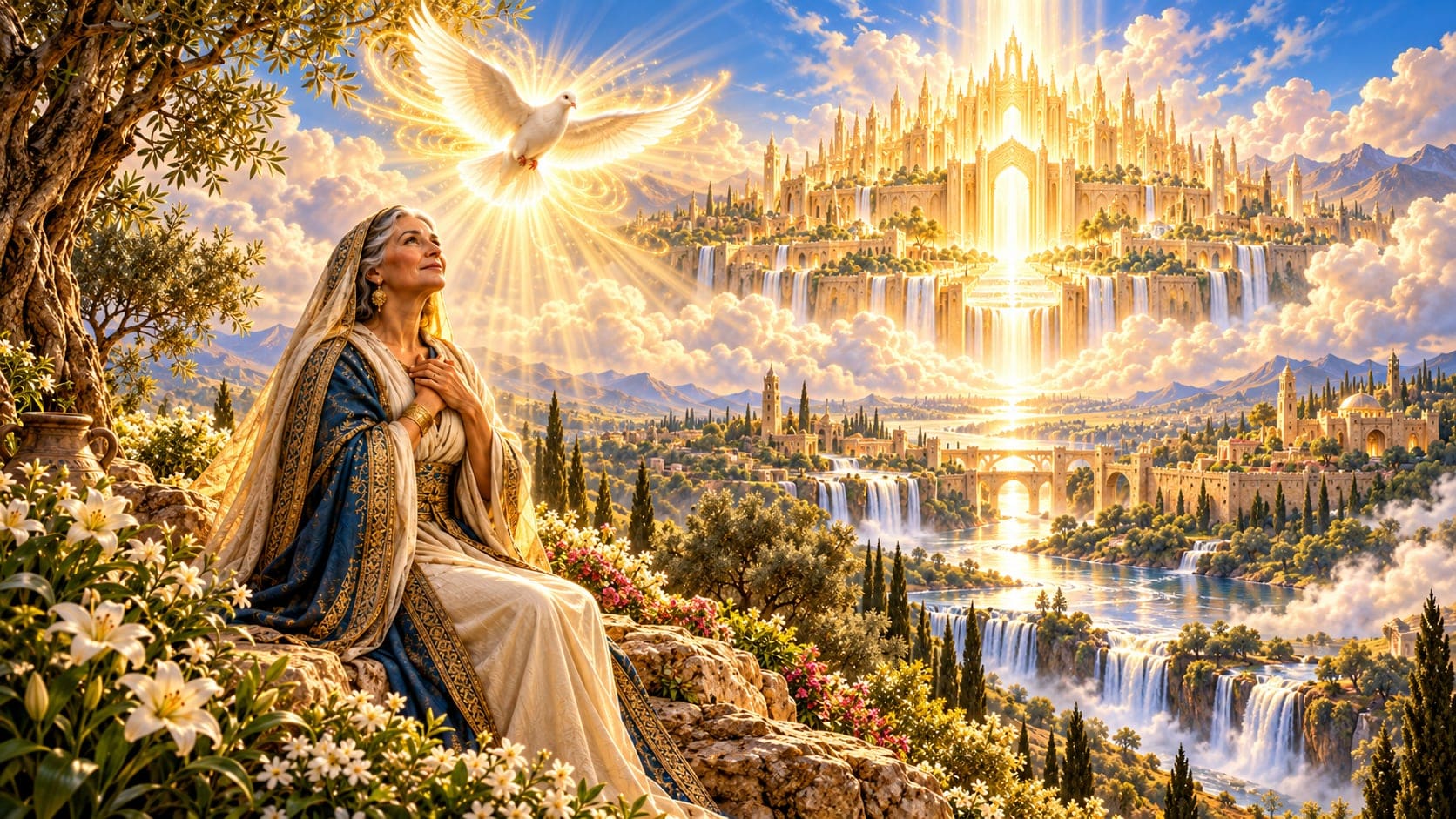
"Jerusalem which is above is free, which is the mother of us all." Paul's allegory of Sarah and Hagar connects the free woman, the heavenly city, and the Spirit who gives believers new birth.
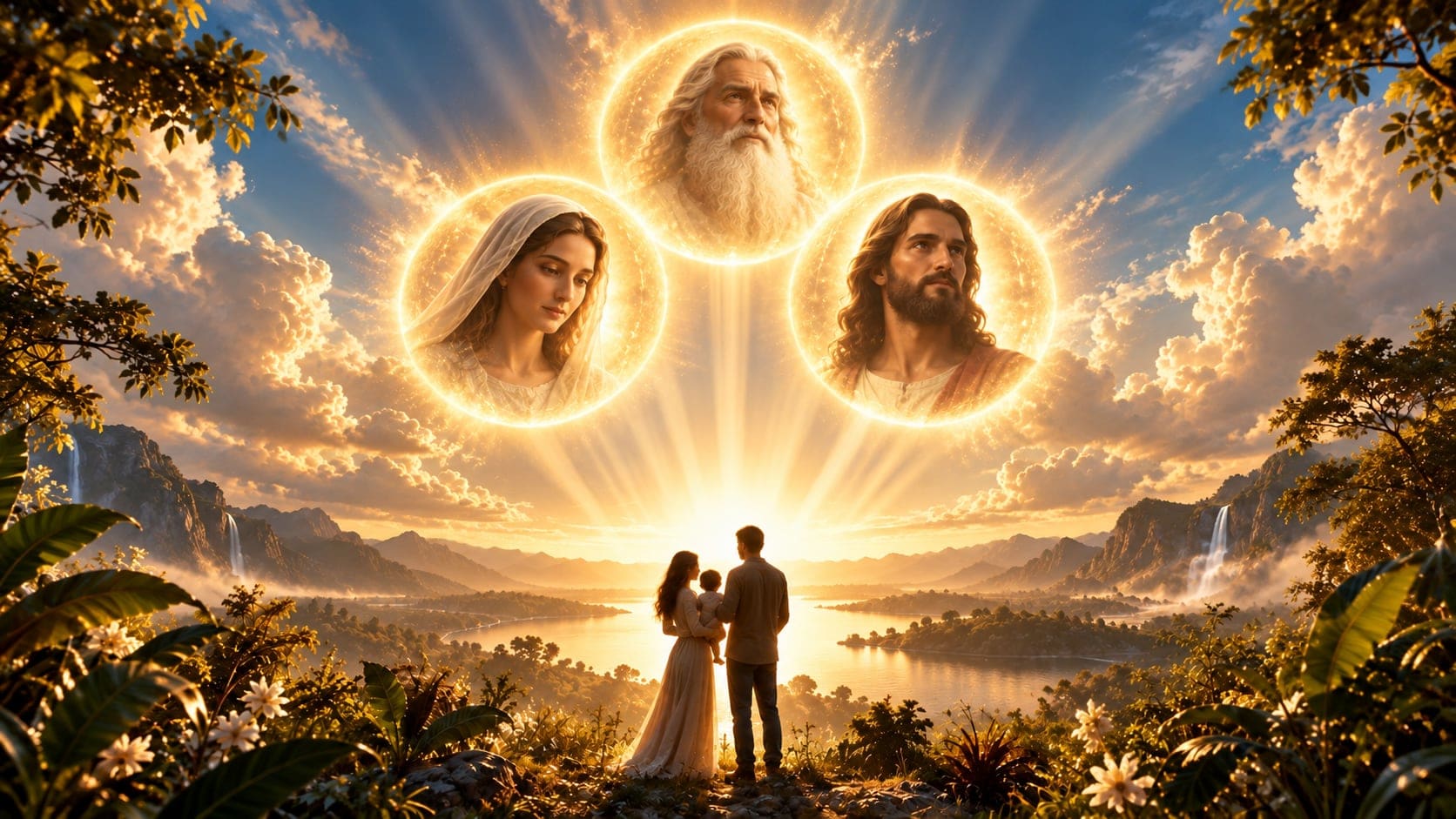
"Let us make man in our image." The first three people made in God's image were a father, a mother and a son. Yona Tree asks what that pattern reveals about the relationships within the Holy Trinity.

The seven lamps of the Spirit burn before the Father's throne; the seven candlesticks of the Church surround the Son. Yona Tree reads the Bride of Christ as a daughter growing to resemble the Spirit who gave her birth.
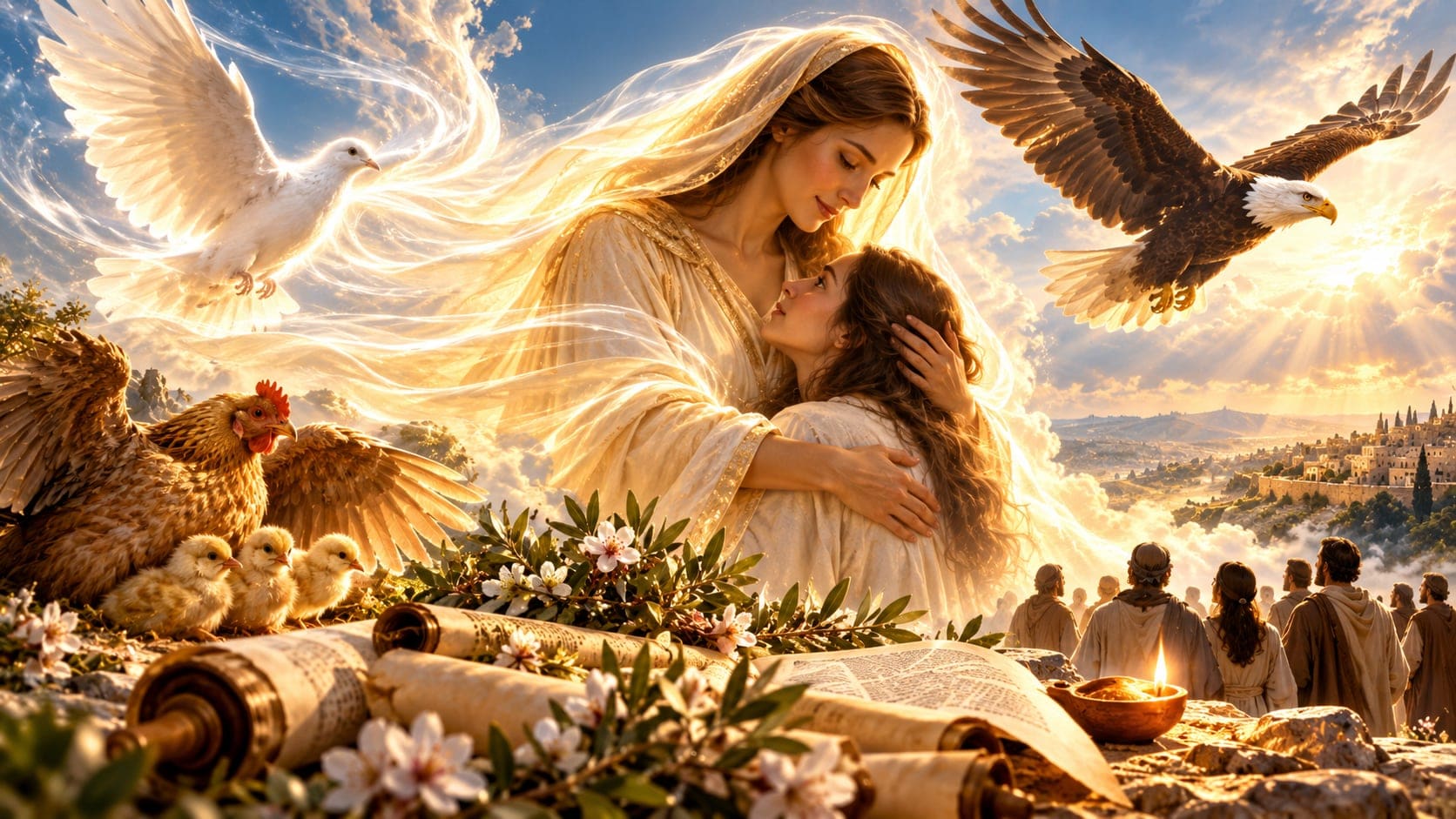
The anointing dove, the sheltering hen, the instructing eagle. Scripture reaches for mothering birds again and again when it describes God's care — and Yona Tree sees in them a portrait of the Holy Spirit.
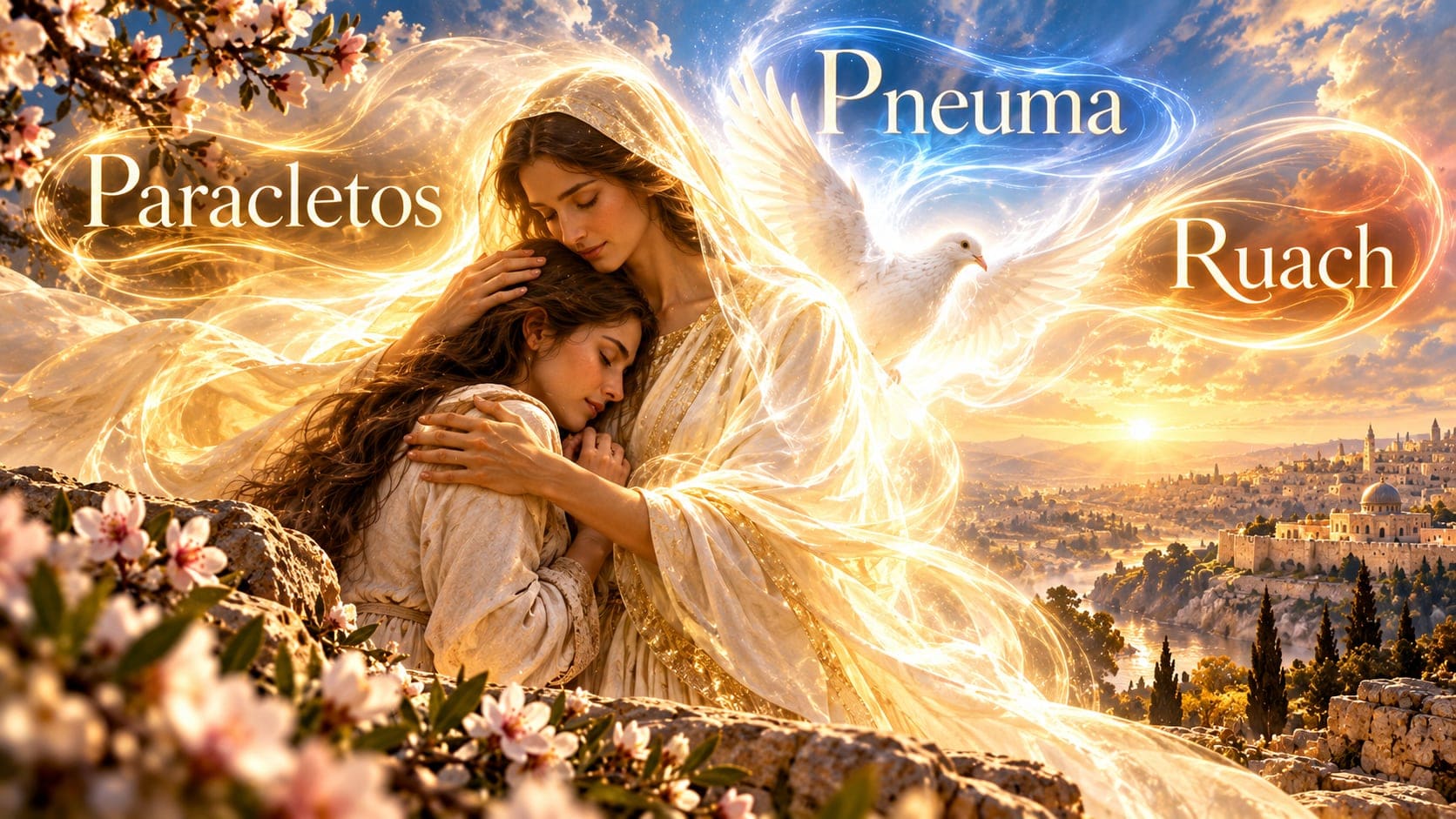
The masculine Greek pronouns usually cited for the Holy Spirit follow one noun, in three chapters of John. A look at paracletos, pneuma and ruach, and the difference between grammatical gender and identity.
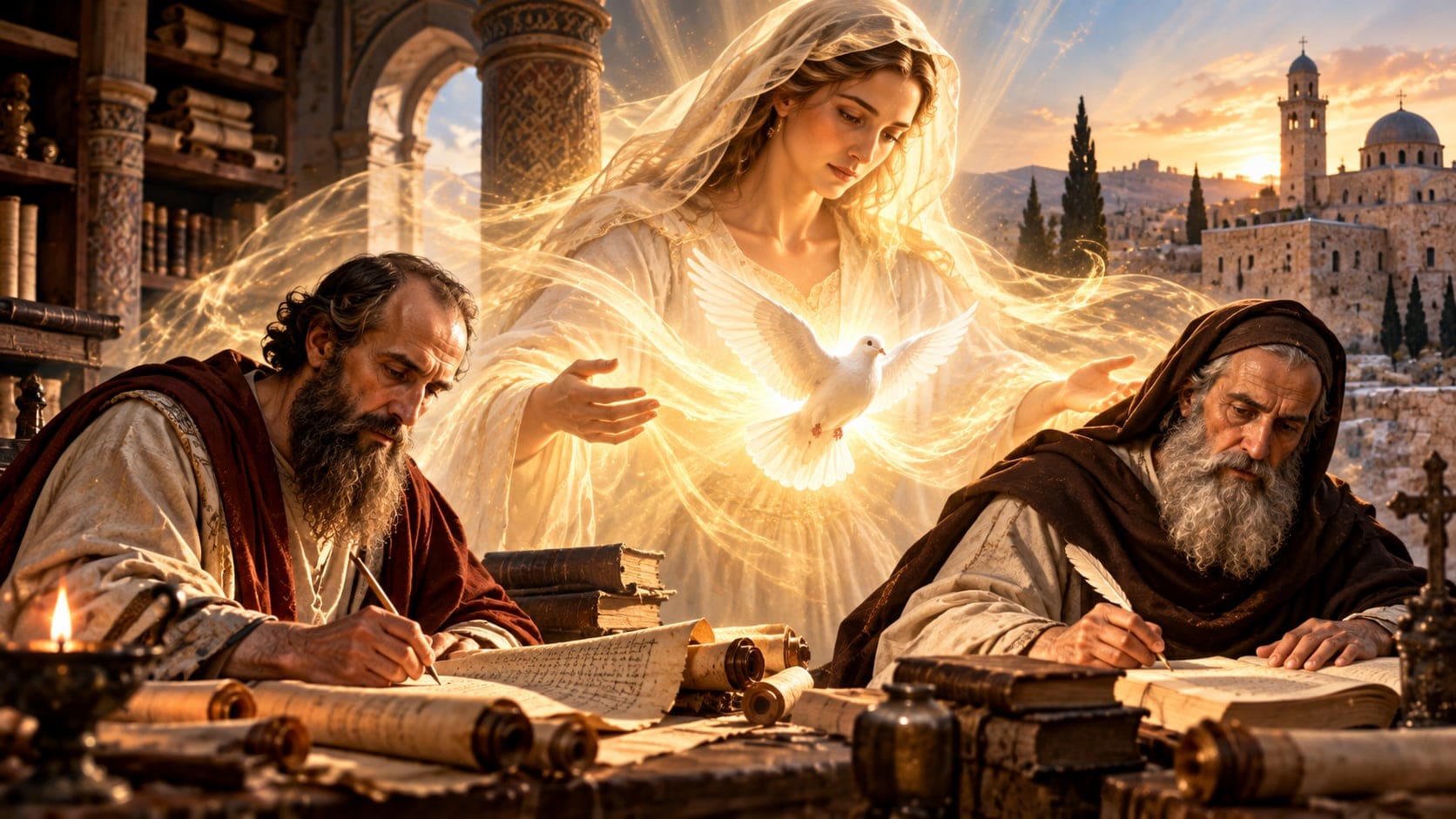
The idea of the Holy Spirit's motherly nature did not begin with Yona Tree. A guide to the early and later Christian writers cited in Seven Lamps Before the Throne, with notes on who they were and how much weight their words can bear.
Part 8of 16
Jerome, Origen and the Old Syriac Gospels; the comforting mother, the sheltering hen, the mothering eagle; and Sarah, the free woman of Galatians 4.
Scripture: John 14:26Isaiah 66:13
Part 7of 16
Why does the New Testament use "He" for the Spirit in John 14–16? Paracletos, pneuma, ruah — and the difference between grammatical gender and identity.
Scripture: John 14:26John 15:26
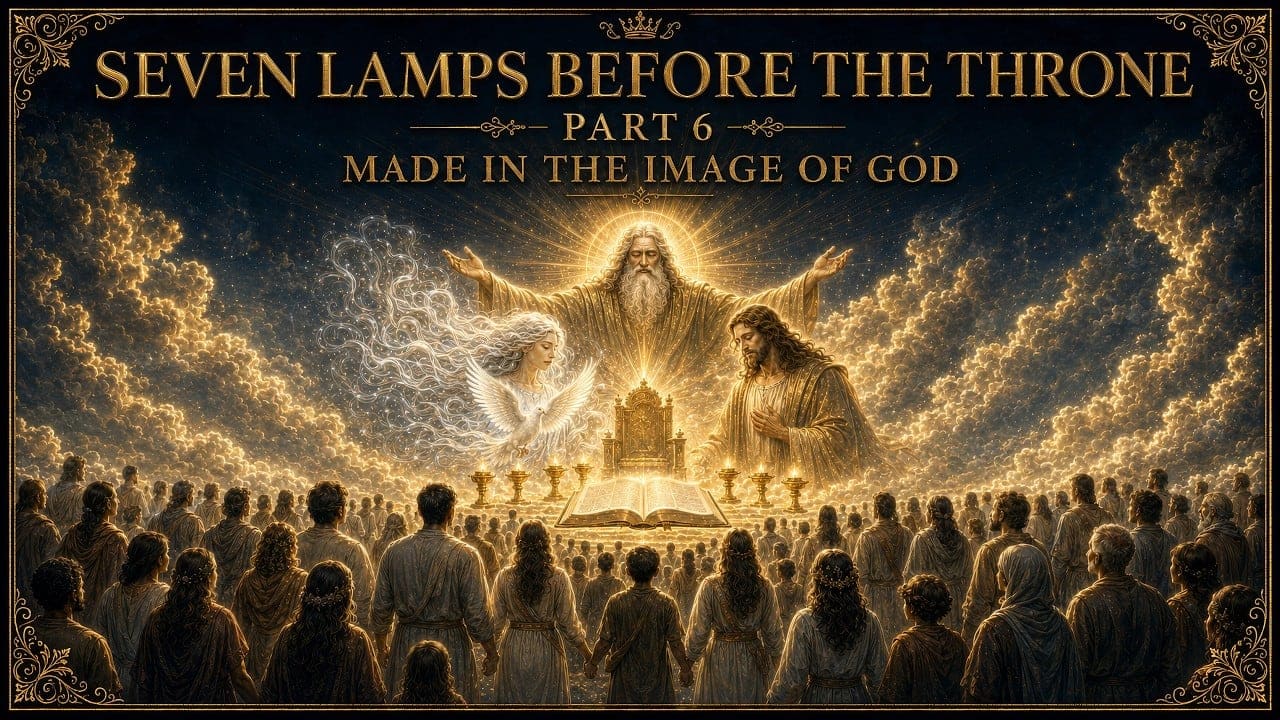
Part 6of 16
Adam, Eve and Cain as the first human family — and what being made in God's image reveals about the Father, the Spirit and the Son.
Scripture: Genesis 1:26Genesis 2:7–4:1
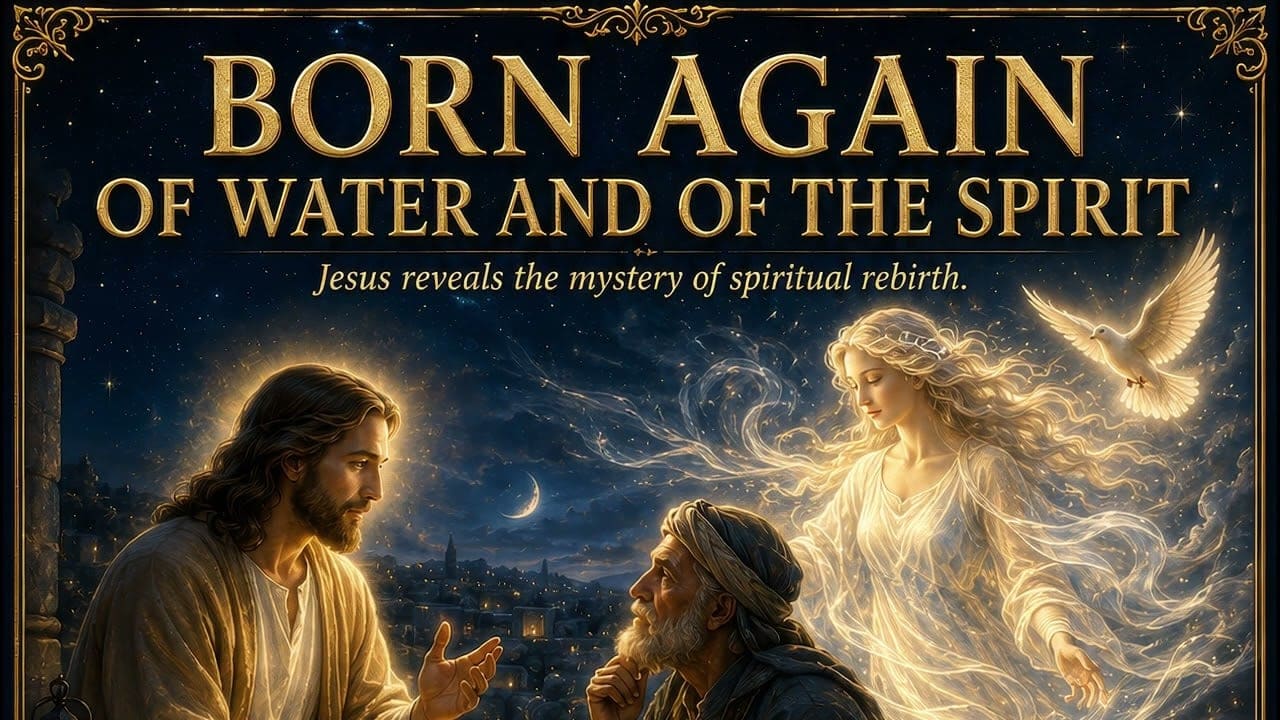
Part 5of 16
Wind, breath, womb, water and baptism — Jesus' words to Nicodemus and historical witnesses who described the Spirit in maternal terms.
Scripture: 2 Corinthians 6:17–18John 3:3–8
Part 4of 16
Why did the Spirit descend as a dove? An eleven-point biblical questionnaire on the identity of the Holy Spirit within the Trinity.
Scripture: 1 Peter 1:3John 3:5–7
Part 3of 16
The Word of God born of the Breath of God — and four ways the Father and the Spirit may be understood as Heavenly Parents.
Scripture: Colossians 1:12–15John 1:1–3