

Featured Study
The Holy Spirit
The Breath of God, the Comforter, and the least understood Person of the Trinity
Studies
Study the mysteries woven through Scripture
Each study gathers the passages, history and symbolism behind a theme — and links to the articles, episodes and book chapters that explore it.
All studies
Captions are available in the YouTube player. Watch on YouTube (opens in a new tab)
Part 7 of 16Seven Lamps Before the Throne
Why does the New Testament use "He" for the Spirit in John 14–16? Paracletos, pneuma, ruah — and the difference between grammatical gender and identity.
Why does the New Testament often use “He” when referring to the Holy Spirit? Part 7 looks closely at the Greek word paracletos — Comforter, Helper, Advocate — and explains why masculine Greek pronouns follow it in John 14–16.
The episode compares the neuter Greek pneuma, used for the Spirit throughout most of the New Testament, with the feminine Hebrew ruah, used for the Spirit more than a hundred times in the Old Testament. Yona Tree’s position is that grammatical gender alone does not settle the question either way; what matters most is the nature and role of the Spirit and the comparisons Scripture makes to Her.
It also revisits gennao and the distinction between begetting and birth, and returns to Eden: Eve was made a “help meet” — a helper suitable — for Adam, and the Spirit is the Paraclete, the Helper of the redeemed.
Links open the full passage on Bible Gateway so you can read each verse in its context.
Captions are available in the YouTube player. The full text of this episode appears in Seven Lamps Before the Throne.
Keep exploring
Featured Study
The Breath of God, the Comforter, and the least understood Person of the Trinity
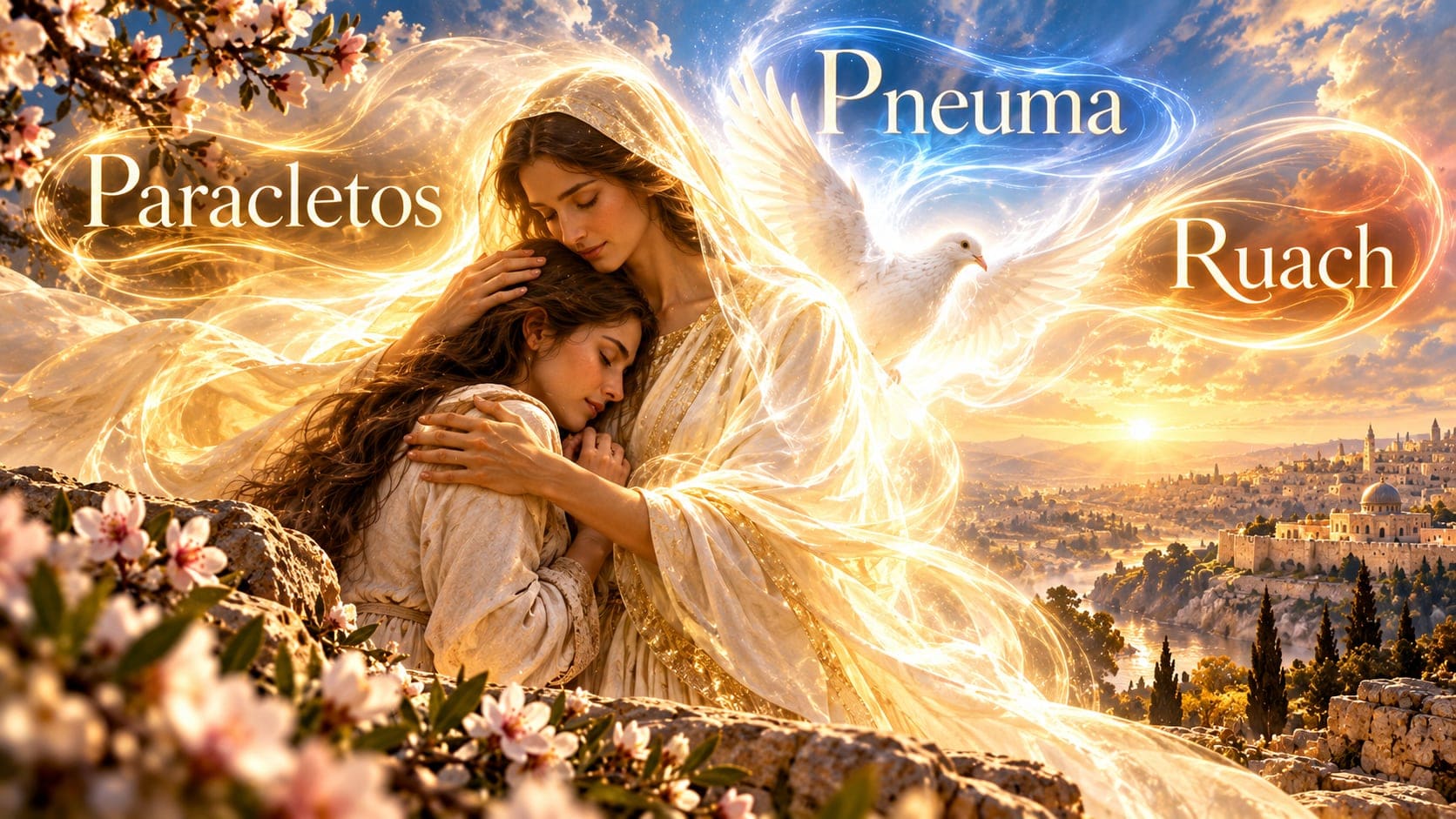
The masculine Greek pronouns usually cited for the Holy Spirit follow one noun, in three chapters of John. A look at paracletos, pneuma and ruach, and the difference between grammatical gender and identity.
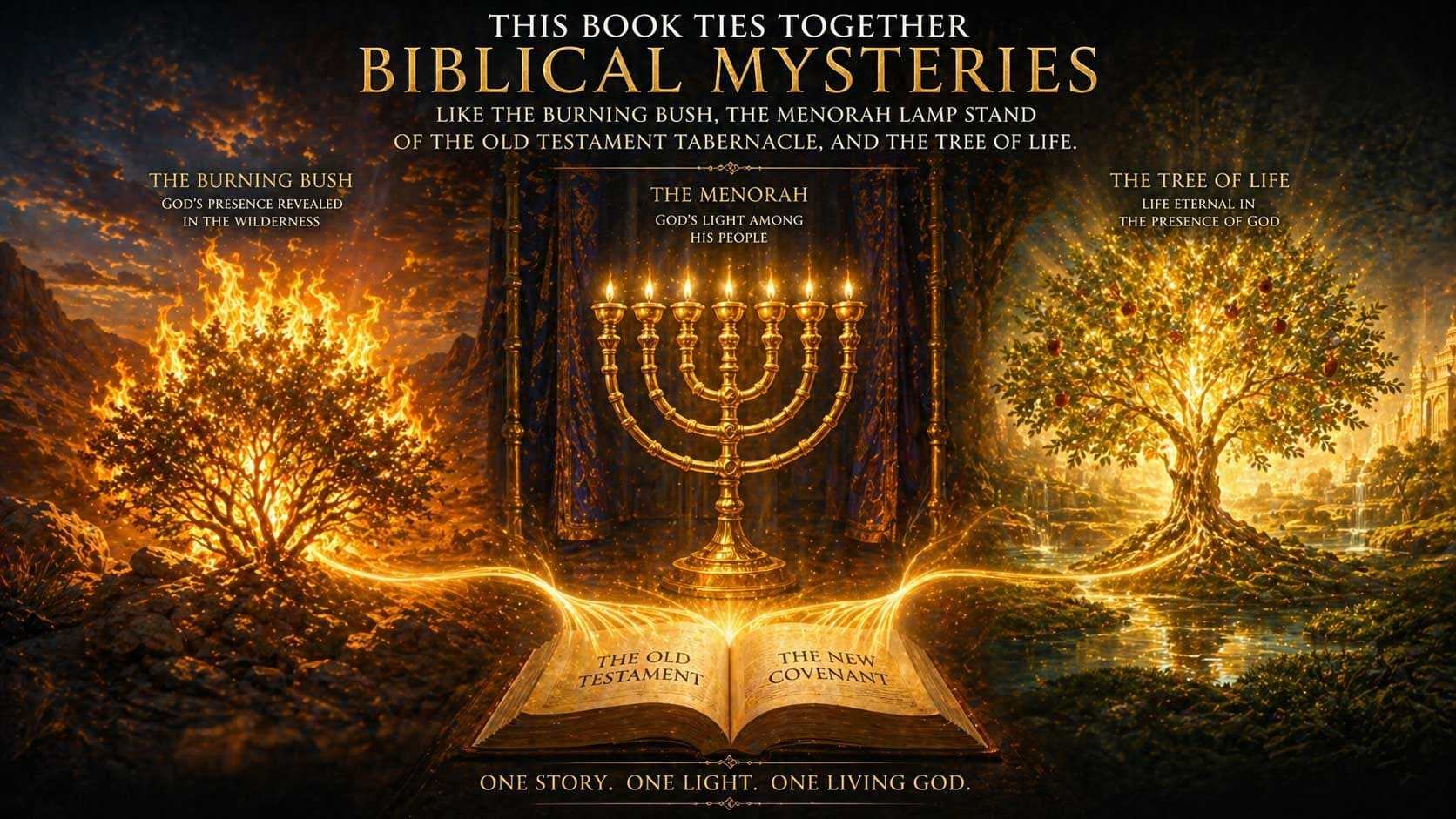
The burning bush, the seven-branched menorah and the Tree of Life are, Yona Tree believes, variations on one theme that begins in the first pages of Genesis and ends in the last chapter of Revelation.

Why did the Spirit of God descend as a dove? Eleven simple questions, each answered from Scripture, lead toward one of the central conclusions of Yona Tree's study of the Holy Spirit.
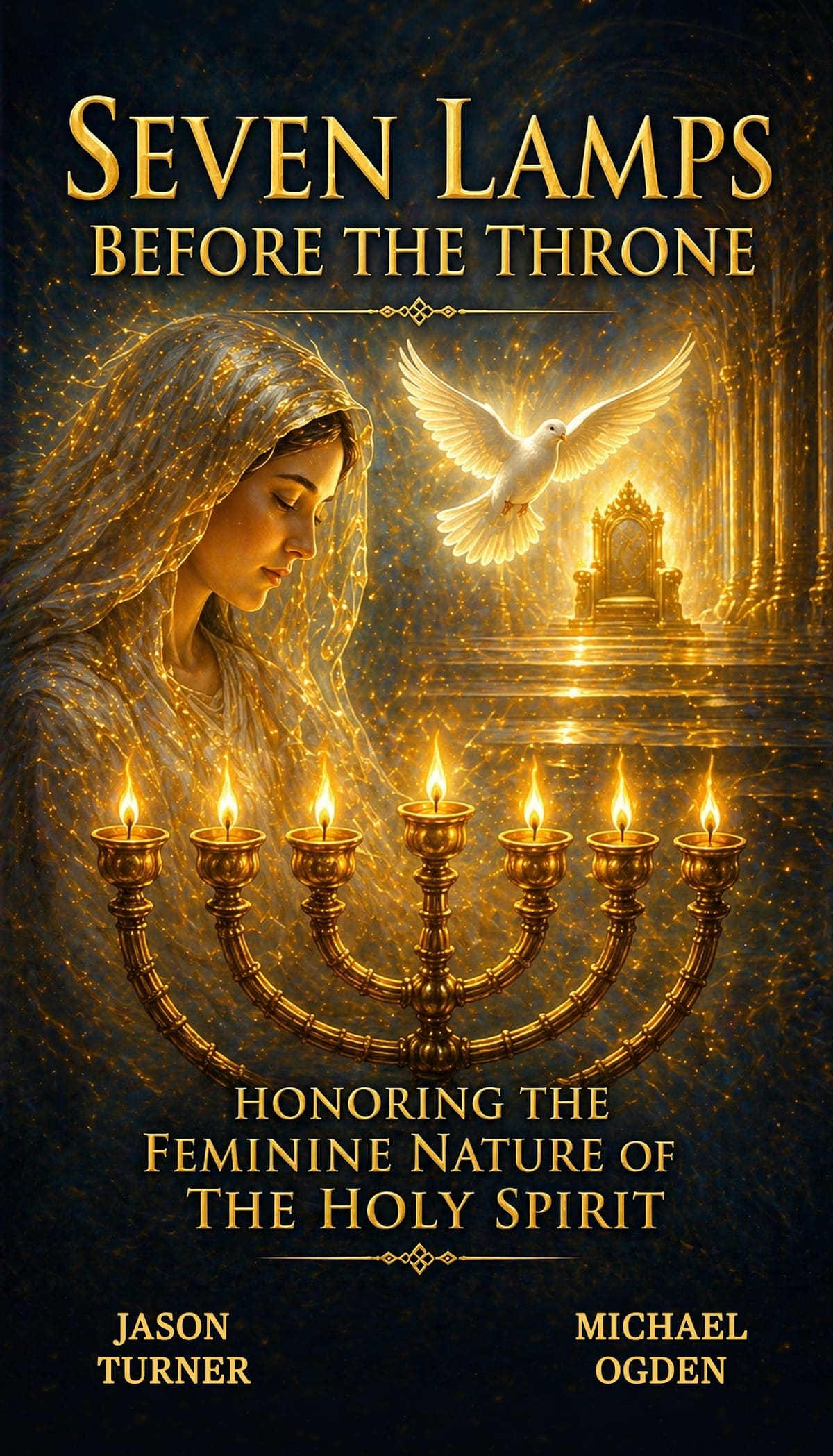
Read the book
Honoring the Feminine Nature of the Holy Spirit
by Jason Turner & Michael Ogden